Adorei esse ensaio de Simon Werrett para a The Public Domain Review sobre os desafios e as formas com que artistas capturavam e representavam pirotecnias no passado, seja na poesia, na ilustração e na pintura.
Achei muito boa a relação que Werrett faz entre a representação do tempo e o efeito dos fogos de artifício, que precisam “quebrar” a regra para serem representados:
To capture smoke might imply the representation of a moment in time in a display, and fireworks images dealt variously with the issue of representing time visually. Most commonly, artists and engravers created a single image capturing a significant moment in a pyrotechnic performance. An image of fireworks on the Seine in front of the Louvre in 1628 by Morel, celebrating the siege of La Rochelle, showed the moment when Perseus (Louis XIII) attacked a Sea Monster (representing Protestantism) to save Andromeda (Catholicism) tied to a rock (La Rochelle).



 Inoue Shigeko
 Doris Humphrey, 1920
 Hilma af Klint, meados de 1890
 Vincent van Gogh, 1890
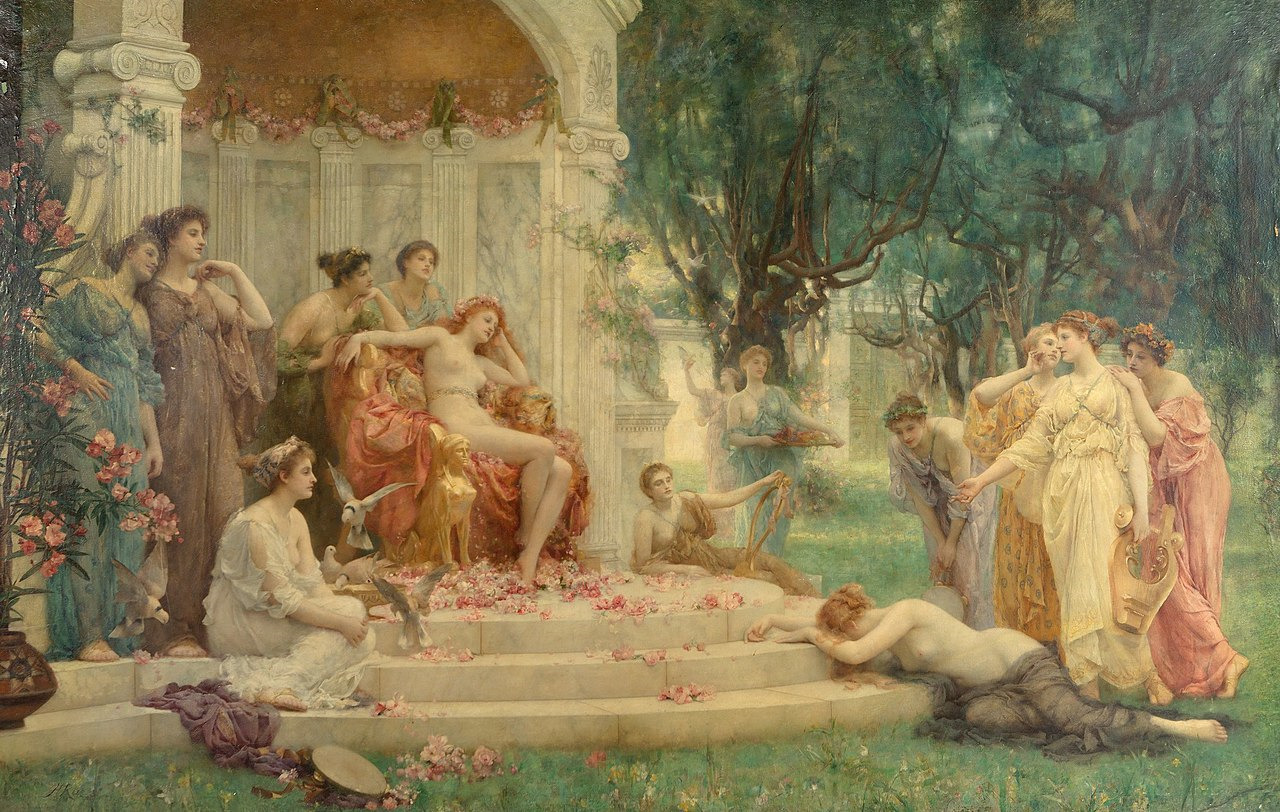 Henrietta Rae, 1984
 Joseph Alanen, via Wikimedia Commons
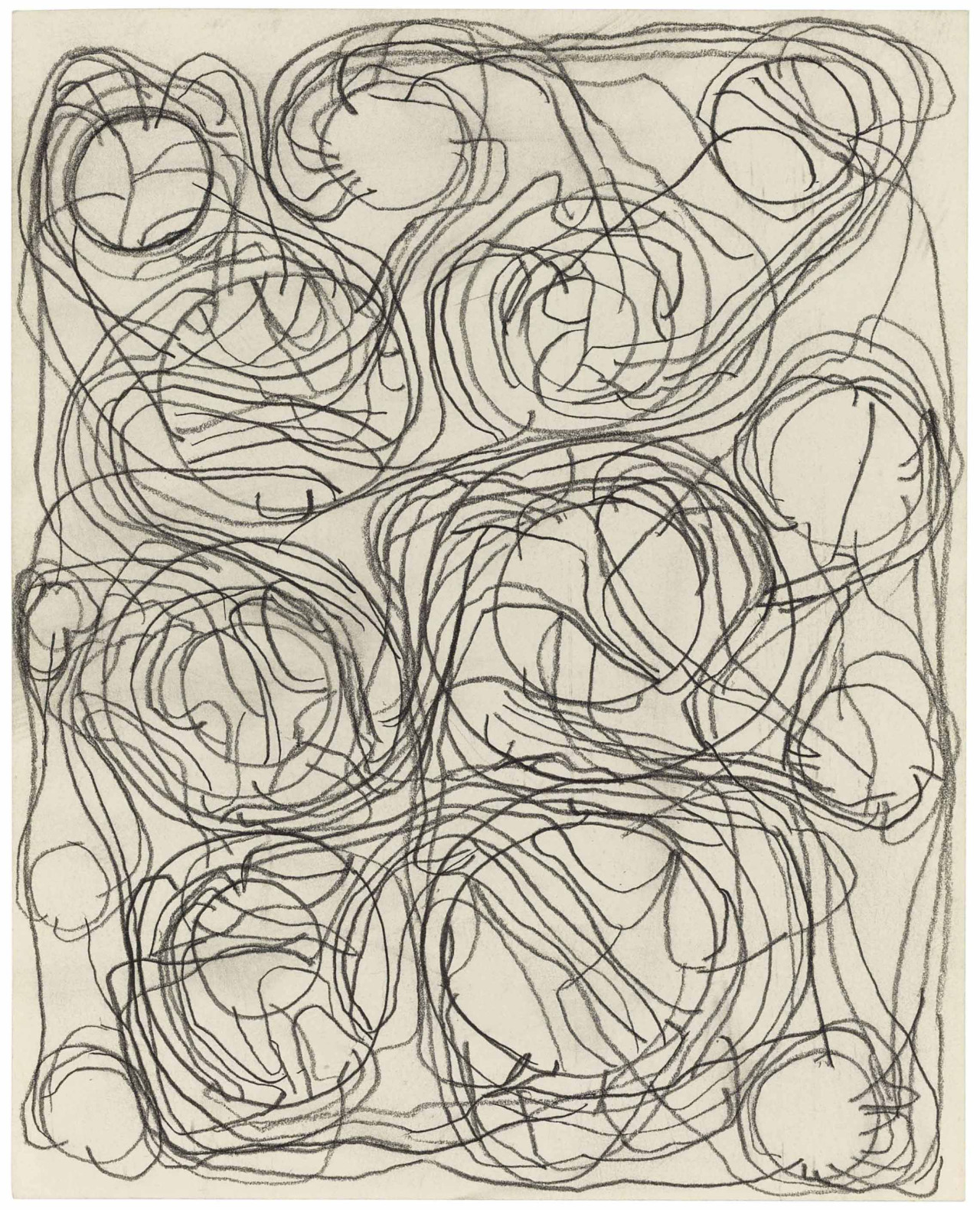 Atsuko Tanaka, 1983
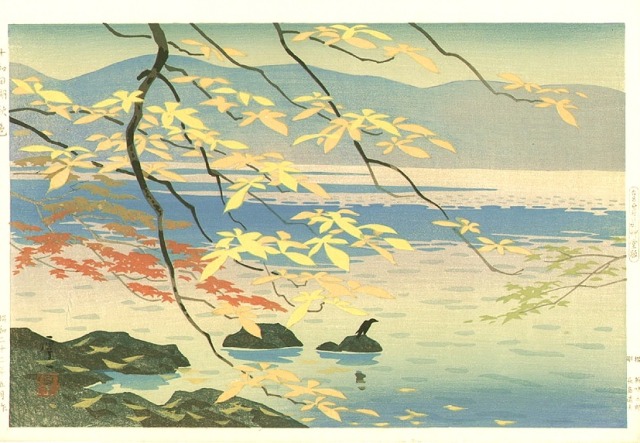 Okumura Koichi, 1952.
 Smithsonian Libraries