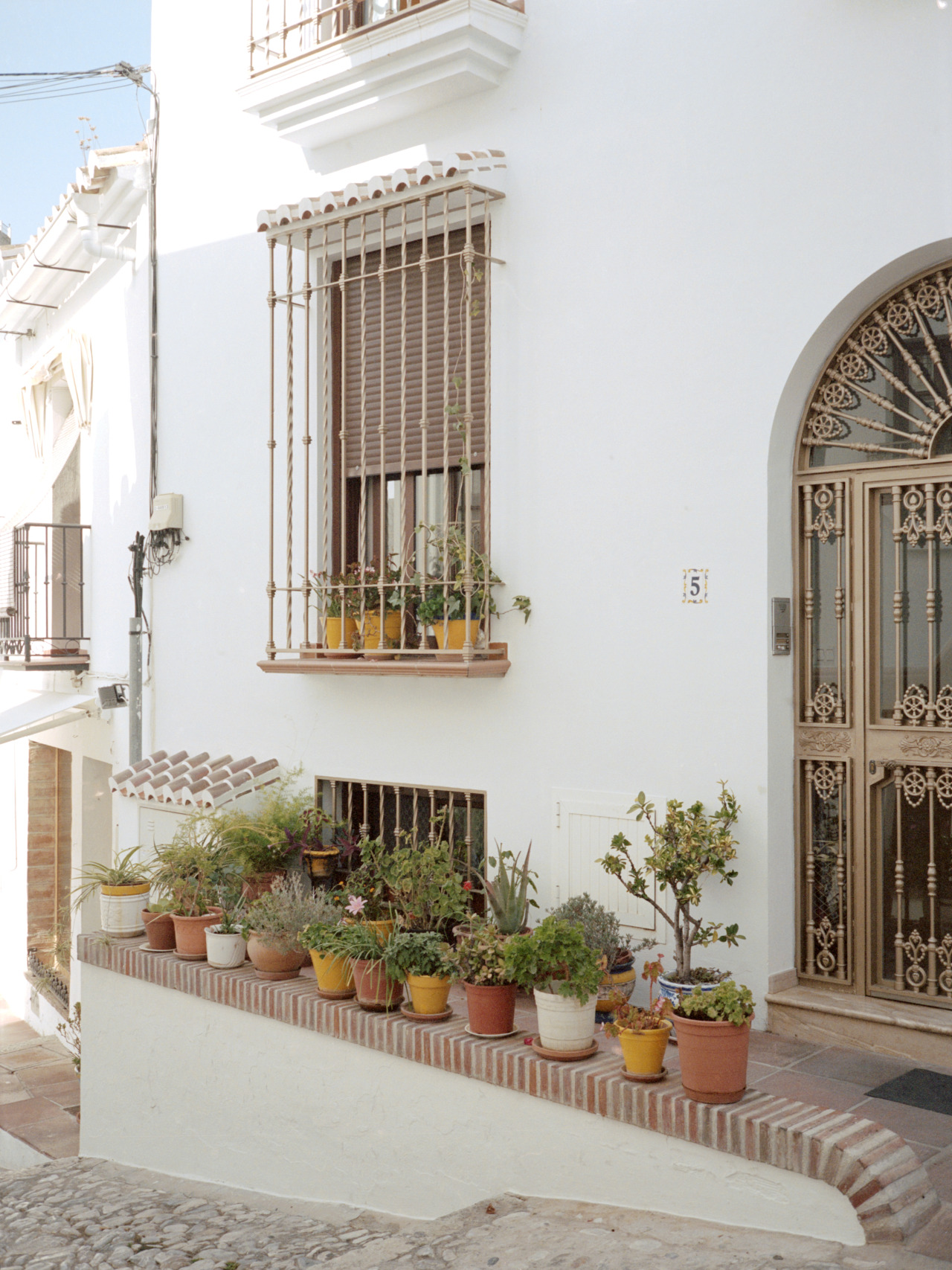
IMG_0416

Esses dias eu passei por esse post de Ben Wallace, que comentou sobre a existência de centenas de milhares de vídeos pessoais no YouTube que são, na verdade, públicos — devido a um recurso nas primeiras versões do iOS que permitem que você enviasse os vídeos que você criava na câmera do iPhone direto para sua conta no site.

Eu achei essa “descoberta” emocionante. Tem um quê de encontrar cartas de nossos avós, ou relembrar uma memória com amigos que você tinha esquecido. Não são nossos registros, mas são de outras pessoas. Um lembrete sempre muito bonito dos seres humanos que estão nos outros lados da internet.

Enfim, Riley Walz desenvolveu o IMG_0001, um site para navegar e assistir esses vídeos aleatoriamente. Já foi pro meu speed dial do navegador.

Agora

Eu sonhei com a Vivi hoje. Eu fui visitar meus pais e os cachorros vieram me receber. Eu dei oi pro Balu, pro Ió, e pras meninas: a Flor, a Mel e a Cici. Daí a mãe comentou “a Vivi tá lá embaixo”.

Eu não cheguei a estranhar, no sonho. Eu acho que eu estranhei mais o fato de eu ter esquecido de dar oi pra Vivi. Eu fui pro andar de baixo e, realmente: a Vivi tava sentada na sombra que fica no canto da casa, entre os pés de laranjeiras. Ela latiu pra mim e sapateou, como costumava fazer. Eu peguei ela no colo, do jeito que eu pegava — com o meu braço entre as duas patas da frente, apoiando a barriga dela.

A gente caminhou pela casa, os cachorros ao meu redor. Eu tomei um café com minha mãe enquanto segurava a Vivi com um braço. Eu fiquei fazendo carinho nela pelo resto do sonho, ela dando aquela rosnadinha que dava quando queria brincar.

O Departamento de Tudo

Nos anos 80, a Biblioteca Pública do Brooklyn tinha uma “Telephone Reference Division”, que atendia ligações de pessoas querendo saber alguma informação — editores de jornal, aspirantes do Jeopardy, ou pessoas curiosas. Eles respondiam perguntas como os integrantes de uma banda, a população de Marrocos, a expectativa de vida de uma espécie de pássaro, citando as fontes da informação dentro daquela biblioteca.

Esse texto é uma mistura de duas paixões minhas: a carreira de telefonista e a Wikipédia.

The Leftovers é uma das melhores séries de TV já feitas

Emily St. James, para a Vox:

[…] But the feeling [of needing a life change] The Leftovers had evoked in me persisted. I was satisfied, full up on the show’s particular blend of sorrow and joy. I was convinced that if I never see another TV show I felt as passionately about, well, that would be okay, because I’d had The Leftovers.

Pop culture functions as a kind of subconscious for what humans care about. That’s why I find it so fascinating to watch it fluctuate and change, to observe how it both is molded by our shifting social codes and actively molds them.

[…] everybody’s subconscious is a little bit different, and a meaning I ascribe to something may not be a meaning you would ascribe to it at all […] So I always think of that meaning as a little door in the back of the work. You watch the TV show or the movie, or listen to the album, or whatever, and you can talk about the work itself — the plot elements and images and directorial choices that go into making it.

But always, in the back, there’s a door to everything else, all of the cultural forces and psychological implications and deeper meanings you can find if you go digging. Open the door a little bit, and you might take a peek at those things. Throw it open wide, and you reveal just as much about yourself and what you value as you do the work itself.

What made The Leftovers special — and what most of my favorite TV shows have in common, come to think of it — is that it forced you to open that door and leave it that way permanently.

[…]

The Leftovers, then, is the first TV show I can think of that actively engages with a world where the uncertainty that is core to simply being alive has caused a lot of us to carve out our own completely separate experiences of reality […]

[…] much of existence is basically random, meaningless, and out of our control. What do you do when you’re confronted with that fact?

Well, you start trying to rationalize. You try to put a narrative on what happened. You find an explanation, whether scientific or religious or something else altogether, and you try to fill in the gap between your need for control and your complete and utter powerlessness

[…]

Everybody alive can relate to the feeling of wanting to be in charge of our lives, only to realize that the systems that surround us are waiting to idly flick a fingernail and send us ricocheting through the rapids of chance.

And yet as the show progressed deeper into its run, it became, for me, maybe the most optimistic show on television, because it stared into uncertainty, into darkness, and insisted that we would figure out how to make our own light if we found ourselves stranded.

The series doesn’t focus on bringing its plot to a conclusion; instead, it concentrates on guiding its characters toward wholeness, if not happiness. They might remain deeply sad, or frustrated, or angry, but they are allowed a moment of kindness or gratitude, a moment that pushes them to extend the same to others. If life is meaningless, if nothing has a purpose, then all we have is what we can give to each other. I can’t think of many messages more optimistic, or necessary, than that.

We have made it to the future, and it’s trying to kill us. But it’s also always the future, and life is always trying to kill us. The world is always ending, but it’s also always beginning.

Struggling against the meaningless nature of life is important, but so is remembering that meaning is what we make of it and that we can create meaning for each other. The Leftovers worked so well because it focused not on the flood, but on the Ark, on the people left aboard, watching the skies for a sign of something new. There’s all this water, all around us — but look at us, lucky us, we have a boat.

Agora

Passeando com o Tobias hoje de manhã (ele tem acordado às 6h pra dar a primeira saidinha do dia), eu decidi variar um pouco os ares e fomos em direção ao Açorianos. Lá, o Tobias conheceu uma família de caturritas, uns amores.

Eu gosto muito desses nossos passeios da manhã. A cidade ainda não acordou totalmente, mas o sol já tá de pé o suficiente. O dia sempre promete.

Sobre votar

Eu gosto muito de votar. Eu gosto de chegar na minha zona eleitoral e ver alguns vizinhos ali. Estamos todos juntos em um ambiente neutro (eu voto no Palácio da Justiça aqui em Porto Alegre). Os mesários da minha zona são sempre muito gentis.

Eu gosto mais é do senso de comunidade do ambiente de votação. Embora eu reveja alguns vizinhos na zona eleitoral, uns como eleitores e outros como mesários, são poucas as vezes que a gente se reúne em um só lugar pra uma ação que leva alguns segundos e é profundamente imensa. Me faz sentir (ou perceber que eu sou) parte de uma comunidade, um entre muitos.

Ajuda que o dia da votação tende a ser um dia gostoso — o clima das últimas eleições que participei eram um dia de sol, mas fresco (hoje mesmo estava 21°C quando fui votar, e 13°C quando acordei). Torna um dia importante como esse em um dia de esperança, também.

Eu espero que Porto Alegre aprecie esse dia de sol para lembrar do que aconteceu nos dias de chuva — e da destruição que eles deixaram. Que a esperança desse dia não ofusque a memória de ontem.

Agora

Hoje tá sendo um dia bom.

Eu acordei às 6h, e saí pra minha caminhada matutina. Faziam 12° C na rua, mas não tinha uma nuvem sequer no céu. Só o sol, algo que tá ficando cada vez mais raro de aparecer aqui no sul.

Então eu saí pra caminhar antes do Tobias acordar e antes do trabalho começar. Tava frio demais. Depois que eu voltei, eu fiz um café e esperei o Tobias se levantar. Passeamos, e agora eu tô trabalhando (e escrevendo).

O Tobias tá perdendo bastante pelo por causa da quimioterapia, então eu varro a casa escutando minha playlist para manhãs e, quando eu canso, eu venho aqui e escrevo um pouco mais desse post. Eventualmente ele vai terminar, e eu vou precisar voltar a varrer.

Tá sendo um dia quieto e um dia perfeito. Meus dias favoritos são assim.

A internet é um grande jogo

Spencer Chang, em sua newsletter:

I like newsletters that feel more like dispatches than editorialized posts. Inspired by Laurel and Robin, I’d like to share a little bit about where I am and where I’ve been lately.
[…]
The world manages to find a way to strike you with the most indescribable beauty when you need it most.

[…]
Websites are the future of video games.

They are the “end game” of video games. They are spaces where the end players (the website visitors) have the agency to freely interact with others, and not towards any predetermined object, but purely for themselves, discovering who they are in each new environment and finding new ways of relating to one another.

Somewhere in the push to make the internet the infrastructure of a global capitalist economy, we lost this perspective on what the internet is. If I asked people to define what websites are to them, they might talk about the capabilities they provide: “the world’s information at your fingertips,” “AI that does whatever you ask of it,” “a platform for selling products.” Or as design artifacts: they provide the basis of interactive, creative pieces of art, media, and writing.

But if we distill a website down to its base components, it is a space that allows people to talk to each other. In the era when the internet was new and before we had predetermined what it was “for,” everyday internet pioneers found ways to talk to one another by making websites for each other.

WWW

Jason Kottke, citando um diálogo nos momentos finais de Halt & Catch Fire:

Joe: How did we all get here today? The choices we made? The sheer force of our wills, something like that? Here’s another answer: the winds of fate, random coincidence, some unseen hand pushing us along. Destiny. How did we all get here today? We walked through this door. We don’t have to build a big white box or stadium or invent rock n’ roll. The moment we decide what the Web is, we’ve lost. The moment we try to tell people what to do with it, we’ve lost. All we have to do is build a door and let them inside.

When I was five, my mother took me to the city. And we went through the Holland Tunnel and it was basic, concrete and steel, but it was also my excitement sitting in the backseat, wondering when it was going to be our turn to emerge, it was the explosion of sunlight. And when we exited the tunnel, all of Manhattan was laid out before us. And that was the best part of the trip: the amazing possibility to be able to go anywhere within something that is magnificent and never-ending.

This is the first Web browser, the one CERN built to view and edit research. I wrote it up here for you to see how simple it is. It takes up one whiteboard — that’s basic concrete and steel — but we can take this and we can build a door and we can be the first ones to do it because right now, everyone else sees this…

Donna: …as an online research catalog…

Gordon: …running on NeXT…

Cameron: …on a network in Europe.

Joe: And with this handful of code, we can build the Holland Tunnel.

Essa é uma das melhores traduções da linda possibilidade do que é um navegador, e o que é, em si, navegar na internet.

Kottke:

But the open Web enthusiasts and advocates missed an opportunity to take what the Web was in the 90s and make that available to everyone. Instead of walled gardens like Facebook, Pinterest, and Medium (which echo the closed online services like AOL, Prodigy, and Compuserve that predated the Web), imagine a bunch of smaller services bound together with open protocols where individuals have both freedom and convenience. […] I hope I’m wrong, but with all of the entrenched incumbents and money pumping into online services, I’m afraid that time has truly passed. And it’s breaking my heart.

A web quieta

Brian Koberlein, em seu blog:

The quiet filter isn’t perfect. There are plenty of quiet sites that use Google Analytics just because it’s an easy way to see if anyone is reading. And some sites pass the test while still having a bombastic style. But the filter does reveal hidden treasures. Sites that are thoughtfully and personally written. There’s often intentionality to them that is refreshing to read. I find my own ideas are challenged more on these sites, and that’s a good thing.

The biggest downside of the quiet web is that it can be difficult to find. You can’t simply Google topics of interest. Instead, you have to dig a bit. Go down rabbit holes until you come across an interesting quiet page. It takes time and effort. It’s easier just to doomscroll on Twitter. But the effort is worthwhile. As you gather more of the quiet web into your readership, you will notice the negative effects of the traditional loud web more. And once you get used to the quiet web, you may never want to go back.

Sobre sites pessoais e a web social

Manuel Moreale, em seu blog:

I still believe the first approach is doomed to fail. Because the issue with social media is not the tech, but the people. If you let enough people congregate in the same space some issues will inevitably arise. Grifters are gonna grift, scammers will try to scam, hustlers will hustle, influencers are gonna try to influence, and business people will try to monetise everything. It’s no surprise that Meta is slowly entering that space with Threads. And I don’t see Meta starting a blog platform next, letting everyone share and connect via RSS. So that alone tells me which approach is more appealing to the exact same entities we’re trying to get away from.

Having said that I’m hopeful. I do think people are slowly starting to realise that you can get immense human value from the web outside of traditional social media. You have to work for it but it’s absolutely worth it.

Porque escolher a web como uma plataforma de jogos

Brandon Dillon, 2weeks:

It’s an exciting time to be working in the space. After a long quiet period following the death of Flash, there are fewer and fewer technical barriers to making great games on the web.

The web can be a really vibrant space for games (as it once was). To make it vibrant, people need better tools. We should have a game development toolkit tailored to the web, and Tweaks can be that toolkit.

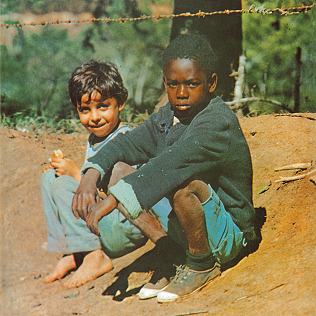
Clube da Esquina Nº 2

Essa música é física quântica. É quando você sente que está caminhando na mesma velocidade do vento ao redor. Como se você se movimentasse na velocidade do mundo.

Essa música é você anos depois, quando esse vento te encontra de novo. Nunca foi um momento tão distante, nunca foi um momento tão próximo. Tudo ao mesmo tempo. A música que tem o tempo inteiro nela.

Lembrando da morte

Quando eu lembro da Delinha, ou da Vivi, ou do Pepi, ou do Tigre, eu nunca lembro dos momentos banais do nosso dia-a-dia juntos, de como foi bom crescer e viver ao lado deles. Daquele ócio, daquela banalidade doce que a segurança da companhia deles trazia.

Eu lembro, sempre, dos momentos ao redor de suas mortes. Eu lembro de encontrar o Tigre no meio dos escombros, eu lembro do Achei não conseguindo mais levantar, ou de minha mãe chorando porque viu o Pepi atropelado na estrada. Eu lembro da respiração ofegante da Vivi. Eu lembro do olhar assustado da Delinha.

Grande parte das primeiras duas décadas da minha vida foi ao redor deles e, mesmo assim, eu não consigo lembrar instintivamente dos bons momentos que tivemos juntos. Eu preciso querer pensar na vez que levei a Vivi pra praia, e a vi correndo pela areia em direção ao mar sozinha, contente. Eu preciso querer lembrar de ficar deitado no chão fresco da garagem com o Pepi num dia de calor. Recentemente, eu preciso querer lembrar de qualquer outro detalhe da Delinha que não o peso dos seus ossos quando coloquei ela na maca do doutor na manhã que ela morreu, nem do peso do saco em que ela estava quando a levei para o carro.

Essa última semana foi particularmente difícil pra mim por causa disso. Eu pensei na Delinha (e, como sempre nos últimos anos, penso na Vivi todos os dias), mas toda a vez que eu penso nela, eu penso nesses últimos momentos. Eu preciso me esforçar para lembrar do resto. Se eu pensei na Delinha o tempo todo, eu pensei em sua morte o tempo todo também.

Eu sei que isso é parte do luto. Eu já escrevi sobre isso quando a Vivi morreu. O problema, pelo menos por conta de como foi com a Vivi, é que isso não passa. Eu penso na Vivi quase que diariamente desde que ela morreu, mas sempre que eu começo a pensar nela, a primeira imagem que me vem foi eu sentado ao seu corpo, fazendo um carinho no seu pelo mesmo depois de morta, porque queria lembrar da textura de sua pelagem nos meus dedos. Eu já esqueci da textura, mas eu lembro do momento. E o momento é triste. Só depois disso, que eu preciso fazer o exercício de pensar em algum outro momento melhor para lembrar, ou para considerar. É sempre algo que eu preciso fazer ativamente. Lembrar da Vivi é lembrar da sua morte. Querer lembrar da Vivi é quando eu procuro uma boa lembrança na minha cabeça. Delinha viveu dezoito anos comigo, e o único momento trágico que eu tive ao lado dela é justamente o que não sai da minha cabeça quando lembro dela.