Arquivos de links

A queda do céu

Luciana relatou como foi seu dia de eleição — da esperança do voto ao cataclisma da apuração. No seu blog, o sol na cabeça:

Mas hoje é dia de votar! Sem tempo pra analisar o simbolismo gritante do que tinha acabado de sonhar. Meu coração está tão repleto de esperança que a mente faz questão de ignorar o mau presságio e parto pra cabine de votação, com um entusiasmo que não sentia há muitos anos. Foram algumas horas de alegria até o chão ser arrancado dos meus pés, novamente, durante a apuração dos votos.

Tem muito mais que isso no seu lindo texto. A queda do céu, o livro que ela menciona no texto, tá na minha fila pra ler há uns meses. Acho que ele vai furar a fila agora.

Separe as bananas e maçãs das outras frutas

Trazendo pra cá as dicas de @chadoyofficial (via Boing Boing), já que eu não tenho Instagram pra salvar:

  1. Maçãs amadurecem tudo ao redor delas.
    Elas liberam um gás que pede para outras frutas amadurecerem. Em uma tigela com bananas elas amadurecem tudo em dois dias.
  2. Bananas são as piores.
    Elas liberam ainda mais gás. Penduradas sozinhas elas duram bastante, em uma tigela elas levam tudo com elas.
  3. O que é bom se você quer amadurecer algo.
    Um abacate em um saco de papel com uma maçã amadurece em um dia. O mesmo truque funciona com pêras e pêssegos.
  4. Batatas e alhos se estragam.
    Ambos distribuem umidade e gás, e fazem o outro brotar. Deixe-os separados e em cantos diferentes e ambos vão durar por meses.
  5. Morangos, framboesas e mirtílios vão na geladeira sem limpar.
    Água na pele é o que inicia o mofo. Lave enquanto come e eles duram o dobro do tempo.
  6. Cítricos ficam na geladeira, não no balcão.
    No balcão eles ressecam em uma semana. Na gaveta duram um mês, e mantém o suco.
  7. Tomates nunca vão para a geladeira.
    O frio mata a textura e ela não volta. Eles ficam no balcão, longe das maçãs.
  8. Um fruto ruim estraga todo o resto.
    O mofo se espalha em frutos macios muito rápido. Tire o estragado assim que ver, não no dia que ele fizer amigos.

Mundano

Eu não conheço Mandy Brown nem Nevan Scott, mas achei linda a observação de Brown para a natureza da relação que tinha com Scott, que faleceu recentemente. Em seu in memoriam, ela fez essa linda observação sobre o mundano:

It sounds incredibly mundane to talk about it now, a friendship measured in video calls and commit messages, but then the word mundane comes from the Latin mundi, or world. To be mundane is to belong to the world, to be in the world, of it and within it. Not outside of it—not lost, the way so much technology tries to make us lose ourselves—but in the world as only the truly living can be. As we can only be with each other.

[…]

Near the end of The Blue Place, as Julia is dying, she tells Aud to “stay in the world.” Aud promises to do so, but the truth is she does not know how. It is so very hard to stay in the world, to hold on to the mundane and ordinary, those fragile human connections, amidst all the forces arrayed against us. I think it is only in the effort to learn that we come close to that knowledge; and perhaps only in the effort to teach that the learning really takes hold.

Estar presente, se sentir parte do mundo, é algo que eu consigo fazer cada vez mais raramente, mas sempre que eu consigo eu sinto ser um ato quase revolucionário de persistir. Que as lembranças dessa amizade sejam uma benção.

Web Badges World

Um diretório de badges de sites. Na época dos dinossauros, a gente se comunicava assim sobre aquilo que a gente gostava e recomendava que nossos web amigos usassem pra navegar no nosso site. Eu lembro que o meu primeiro blog, o Esporo, usava PNGs transparentes que só funcionavam no Firefox e no Opera naquela época. Hoje em dia os repositórios de código usam um filhote de badges assim pra reportar testes e dependências, status do projeto, etc.

Via a chuva de links n’o sol na cabeça. Me fez pensar que eu queria um diretório desses com outro tipo de badge: o de “sites parceiros”, que era basicamente um jeito mais visual do bom e velho blogroll. Eu lembro que o Esporo listava os badges do O Sim BR, SporeMania, SporeTips, Sporando, SimNetwork… nomes de sites que deixaram de existir há mais de uma década e ainda vivem soltos na minha cabeça.

(Link adicionado na trilha, pra quem quiser passear).

Edifícios Kawaii fotografados por Ken Ohyama

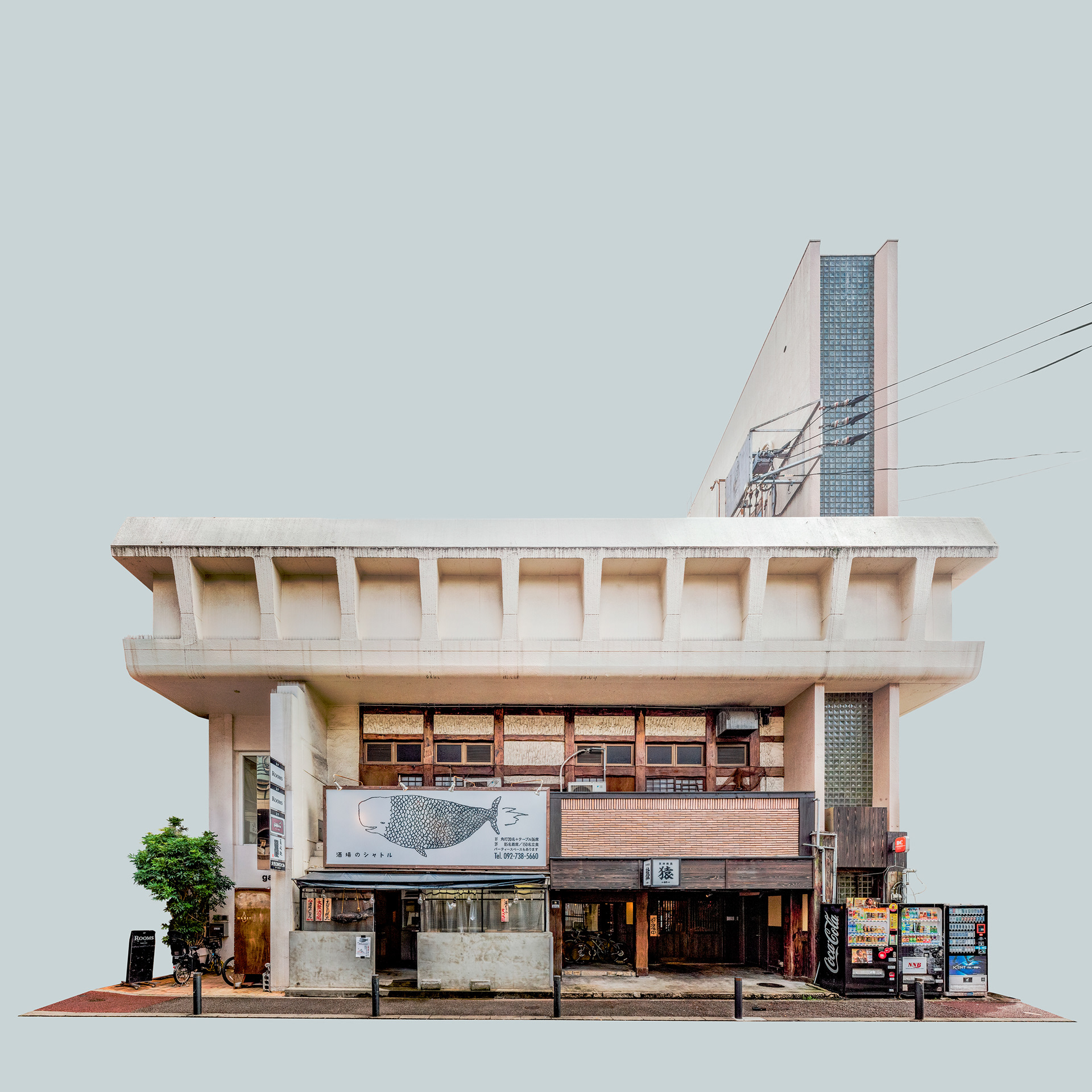
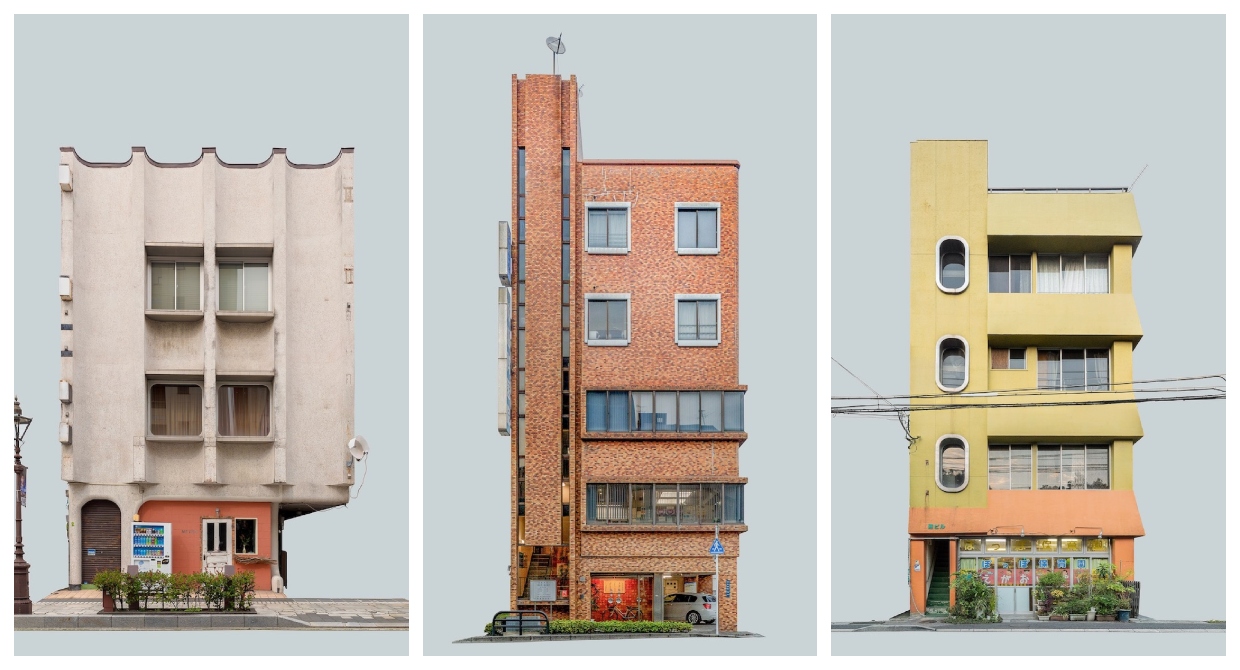
O fotógrafo Ken Ohyama tem um novo livro chamado Architectural Dollhouses, repleto de edifícios cheios de personalidade:

Fachada de prédio comercial japonês em concreto bruto estilo brutalista, com viga saliente sobre o térreo. No térreo, restaurantes com placa ilustrada de uma baleia e máquinas de venda automática, isolados sobre fundo cinza-azulado. © Ken Ohyama

Fachada de prédio residencial de tijolos amarelos com uma faixa central branca e janelas arredondadas. No térreo, uma barbearia com toldo azul e totem giratório, cercada por fios elétricos, isolada sobre fundo cinza-azulado. © Ken Ohyama

Duas fachadas estreitas geminadas (uma em tons terrosos com telhado inclinado, outra em branco e rosa com topo arredondado) ligadas por um varal de lampiões vermelhos e brancos, isoladas sobre fundo cinza-azulado. © Ken Ohyama

O trabalho de Ohyama, que você pode ver no site dele é muito lindo. Ele tem um jeito de fazer a gente enxegar a cidade.

Via Spoon & Tamago, que tem imagens do livro-catálogo com as fotografias dos edifícios Kawaii, que é cheio de surpresas.

Pessoas que pensam antes cortam a grama melhor depois

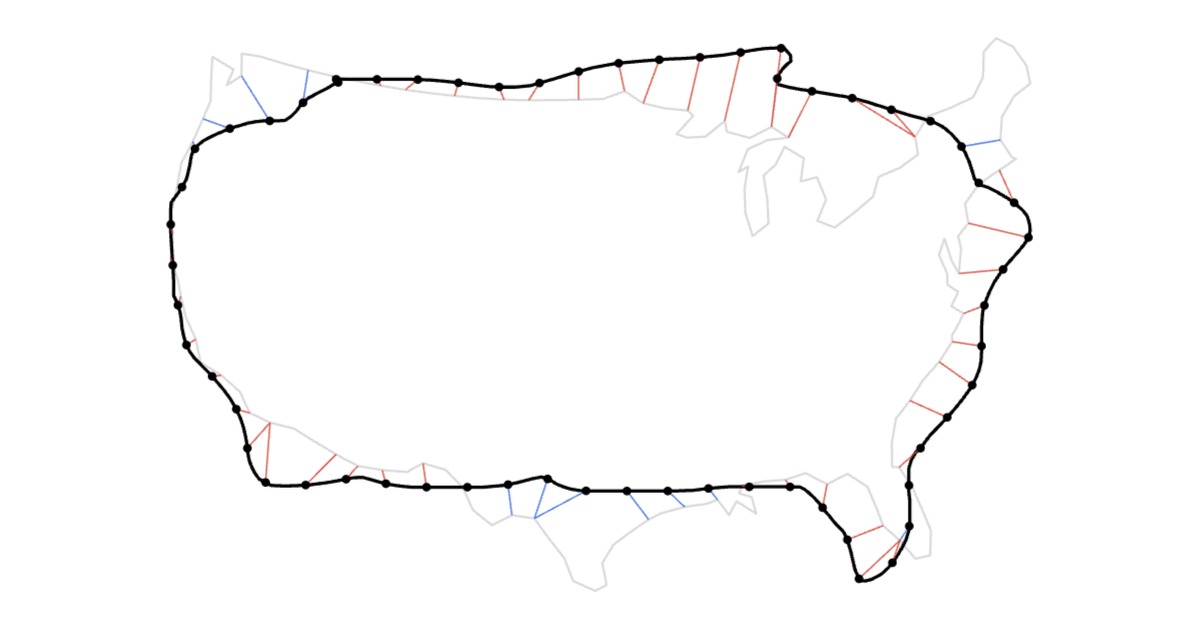
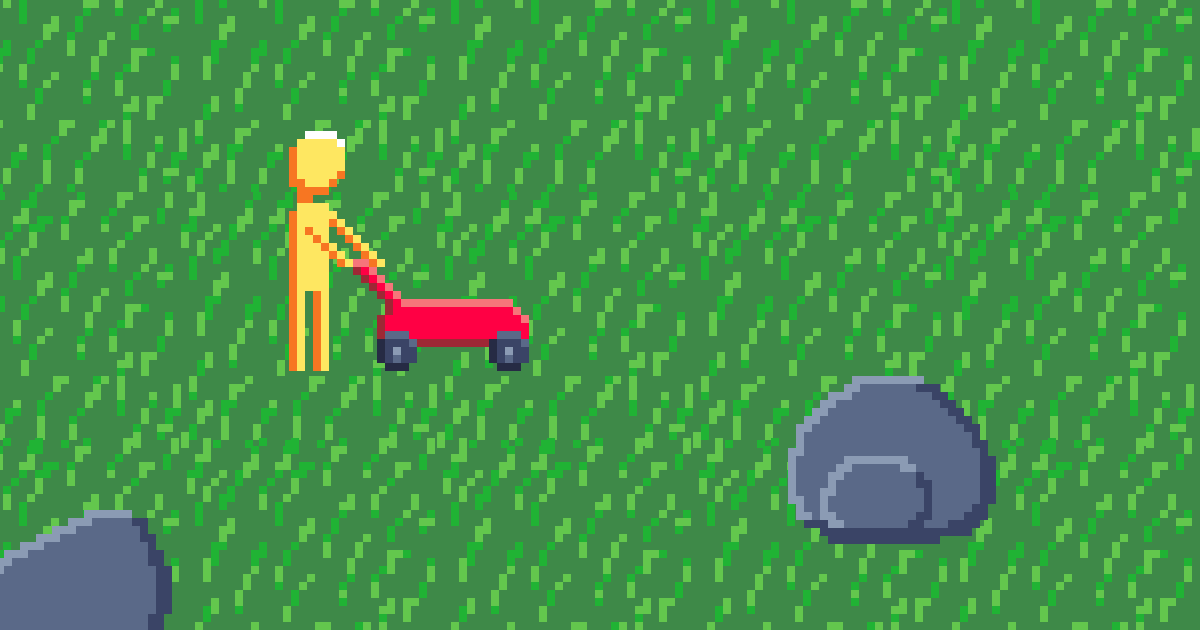
A edição mais recente do The Pudding é sobre cortar grama, mas na verdade é sobre produtividade, e como o nosso cérebro é, na grande maioria das vezes, tão eficiente quanto um computador para problemas computacionais. É super divertido ler sobre os resultados da pesquisa enquanto você mesmo tenta resolver as grades de grama que precisa cortar com o menor número possível de movimentos.

Uma das coisas mais interessantes nesse texto, pra mim, é a observação de quando o jogador está pensando (e como esse tempo pensando resulta em um melhor resultado no fim do experimento).

Homenagem à árvore querida

A Luciana escreveu no seu blog um obituário pra uma árvore, companheira do seu dia-a-dia.

Me lembrou do belíssimo relato da morte da sumaúma que comoveu a cidade de Belém, e das pessoas que mandam emails para árvores.

Eu acho esse tipo de relato profundamente triste, sempre. Eu vejo as árvores ao redor da minha rotina como verdadeiras instituições, e é sempre estranho perceber que, seja por consequência de um vendaval, ou porque o prefeito odeia sombra, uma delas não está mais lá. Crescer no meio do mato me fez reagir a esse tipo de mudança de um jeito estranho.

Emily Wilson sobre A Odisseia de Christopher Nolan

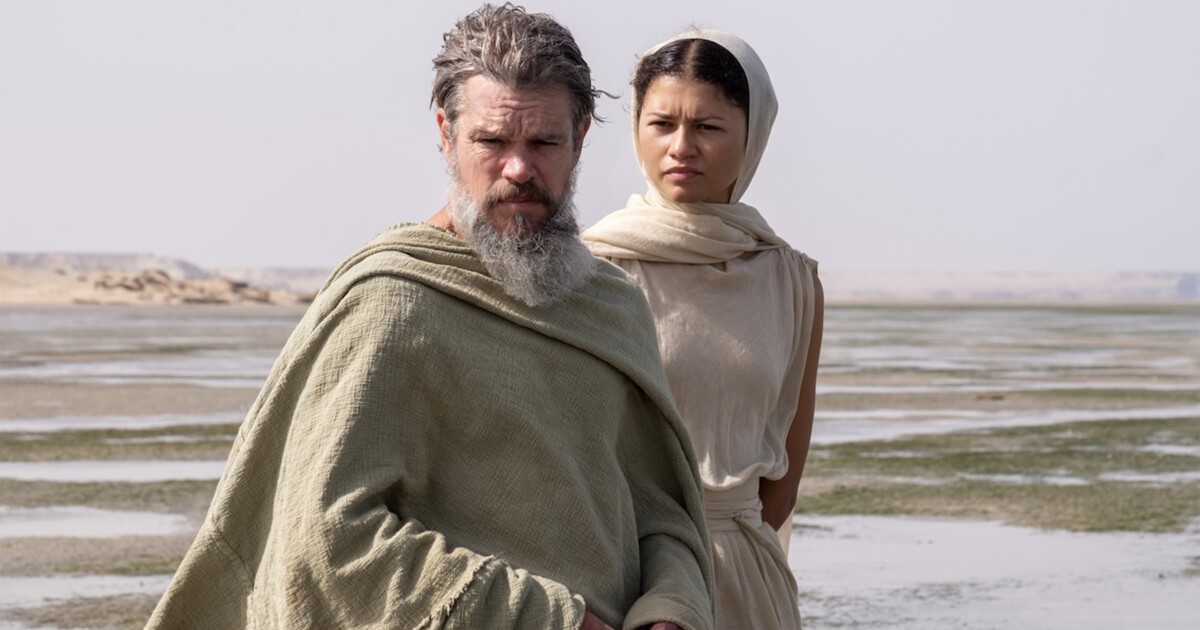
A tradutora Emily Wilson escreveu sobre a adaptação de Christopher Nolan para A Odisseia, e é uma das melhores críticas de cinema que eu já vi. Wilson avalia tanto a temática e a interpretação que Nolan usa, quanto a erótica do filme — aquilo que o filme a fez sentir.

Wilson no London Review of Books:

Nolan’s Odyssey lacks many of the elements that make the poem great. It has nothing convincing to say about time, memory, history, war, or about the relationship between one warrior’s glorious return and the lives of his family, adversaries, comrades, friends and neighbours. It lacks psychological, emotional, political and ethical depth. Its narrative structure is gimmicky. The writing is abysmal. None of the characters has convincing motivation for their actions or words. There are no sex scenes, and all the food looks horrible.

The most troubling ethical problem with Nolan’s Odyssey concerns the decision to film part of the movie in the occupied territory of Western Sahara, thus normalising the ongoing violence against the indigenous Sahrawi people. It is particularly galling that Nolan used this land simply as a visually striking backdrop for a film that centres, aggrandises and redeems the hero of a territorial war on account of his belated and partial acknowledgment of his own guilt.

Wiki Loves Earth 2026 no Brasil

A Wikimedia está organizando o Wiki Loves Earth 2026 no Brasil, um concurso de fotografia ambiental para ajudar a registrar e documentar as belezas naturais do mundo. No Brasil, mais de 80% das espécies brasileiras na Wikipédia não têm registros fotográficos, e 40% dos artigos sobre essas espécies não têm nenhuma imagem para ilustrá-los.

A Wikipédia organizou uma página por cada estado para você conferir o que está ao seu alcance para fotografar. Profissionais e amadores são bem vindos. As fotografias que participarem desse concurso precisarão ter uso livre. Segundo a Wikimedia:

Quando você envia uma fotografia sob licença livre, esse invisível ganha forma. O arquivo passa a existir na Wikimedia Commons como dado científico verificável, acessível para sempre a educadores, pesquisadores e cidadãos em qualquer lugar do planeta. Uma única imagem bem documentada pode ilustrar uma espécie na Wikipédia, entrar num estudo de biodiversidade, subsidiar uma política pública de conservação.

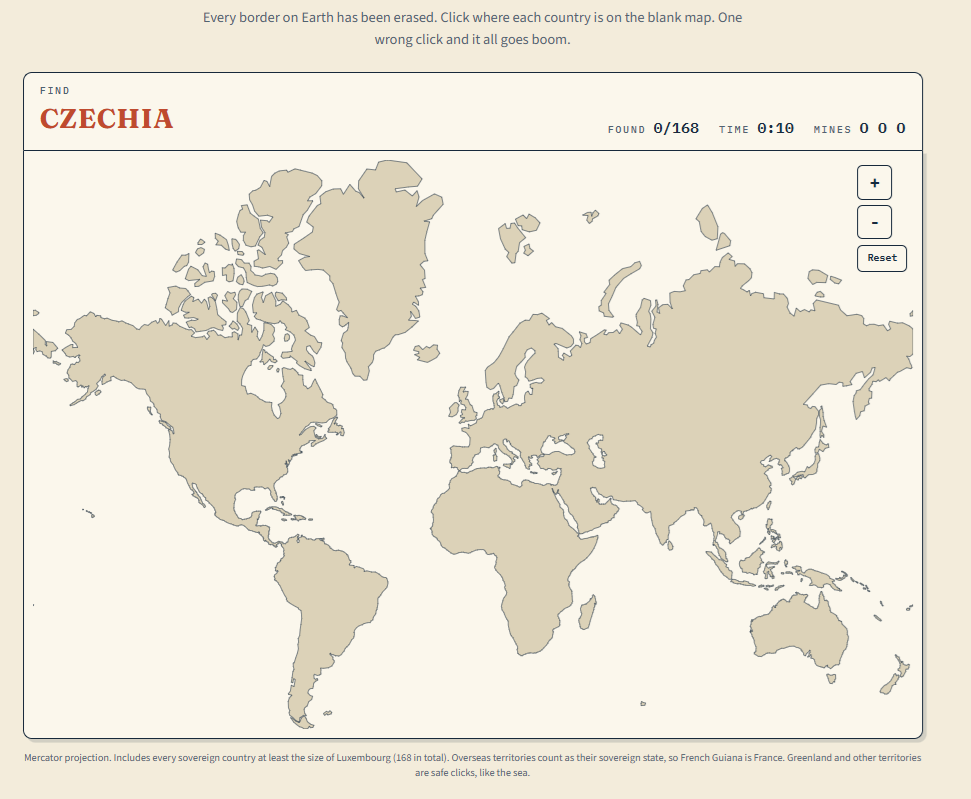
Um mapa-múndi que também é um jogo de campo minado

O fim dos jogos pré-instalados no Windows fez florescer toda uma indústria de joguinhos no navegador pra se jogar no trabalho.

Um que eu encontrei hoje foi esse excelente Países do Mundo Sem Fronteiras, em que o mapa-múndi não tem nenhuma linha demarcando as fronteiras. A cada rodada, você ganha o nome de um país e precisa clicar exatamente onde está aquele país no mapa. É como campo minado (meu favorito no Windows XP).

É um jogo que testa tanto o nosso conhecimento geopolítico quanto a precisão que a gente tem com o ponteiro do mouse… eu sei onde fica o Paraguai, mas num mapa desse tamanho como vou saber se tô clicando exatamente onde é o Paraguai, e não o Paraná?

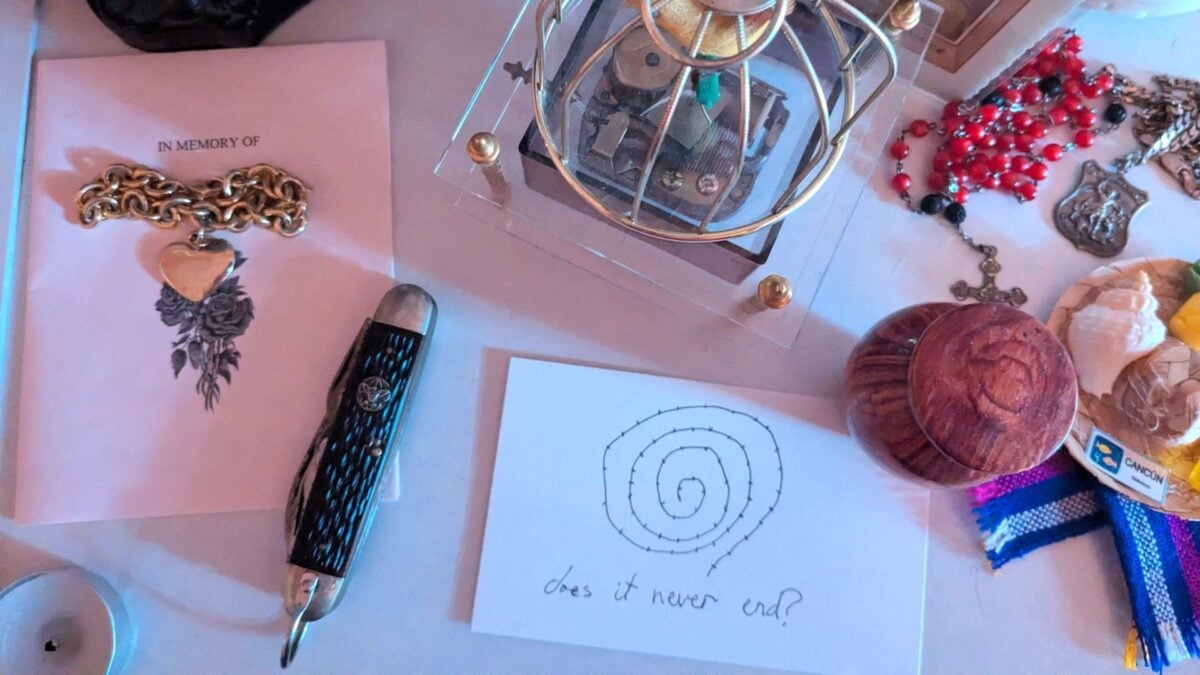
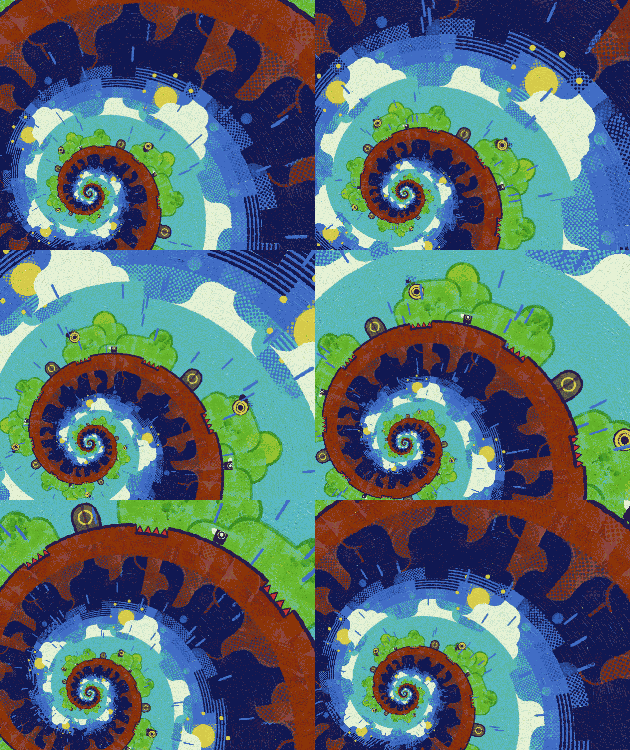
Eu procuro por meu pai na espiral de estrelas de Blue Prince

Rebekah Valentine (Kotaku), em um lindo ensaio sobre o luto sobre seu pai, e o belíssimo Blue Prince:

Quando joguei Blue Prince, não pensei nele como uma história sobre luto. Falando assim, parece estupidamente óbvio. Eu nem considerei isso até que acidentalmente o usei como uma metáfora para explicar meus sentimentos sobre a morte do meu pai ao meu terapeuta. Eu estava explicando a ela o longo processo que passei no último ano de tentar desvendar o mistério do meu pai: quem ele era, por que ele era do jeito que era e por que morreu da maneira triste e estúpida que morreu. As respostas que eu estava encontrando eram chatas, inúteis, deprimentes ou inexistentes. Eu queria que houvesse mais — eu queria que houvesse uma explicação mais profunda, uma ou duas frases organizadas com as quais eu pudesse explicar meu pai para mim mesma que envolvesse tudo em um arco e me permitisse acabar com toda essa coisa de “luto”. Não existe, e nunca existirá. É claro. Mas e se eu continuar procurando um pouco mais?

A história do meu pai não foi feliz. Eu não percebi o quão infeliz tudo era até depois de sua morte, porque ele literalmente nunca falou sobre si mesmo, sua família, sua história ou seus sentimentos. Ele perdeu seu pai por suicídio quando adolescente, suas duas irmãs muito jovens para complicações de abuso de substâncias, e teve um relacionamento profundamente desagradável com minha mãe. Ele foi bom para mim, na maior parte do tempo. Minhas memórias confusas de infância dele são, eu acho, normais, até agradáveis. Ele me levou a jogos de beisebol, inventou músicas bobas para mim, me ajudou com a lição de casa de matemática, me surpreendeu com doces. Mas algum tempo depois que eu saí de casa, ele começou a mudar.

Como Rebekah, eu percebi que Blue Prince era sobre perder muito tempo depois de insistir em “ganhar”. É um jogo sem respostas, mas não sem propósito, eu acho. É profundamente triste em algumas jogatinas, e libertador em outras. Eu acho que justamente isso o faz um registro incrível do que é o luto. Sempre inacabado, muitas vezes triste. Algumas vezes bonito, até. Dificílimo de descrever como é um labirinto que a gente nunca sai, exatamente, mas sempre percebe algo novo dentro dele. É o que fica, e em alguns momentos até que esse mistério é suficiente.

Como curar um coração partido

A newsletter Good News de Mike Monteiro é uma das melhores coisas que eu acompanho (também disponível em um feed RSS). Em cada post, Monteiro responde a uma pergunta de um leitor — e com isso, destrincha o comportamento humano.

Essa semana, a dúvida era sobre como se cura um coração partido. Com essa, Monteiro observa:

Espero que meu coração nunca pare de se partir. Porque eu estou rodeado de atos dolorosos. Eu tenho muito medo do que aconteceria se meu coração parasse de reconhecer isso. Tenho muito medo do que aconteceria se meu coração se acostumasse com o que está acontecendo.

[…] Espero que o meu coração nunca pare de se partir. Espero que ele se parta todos os dias. Espero que cada pedaço dele tenha um nome, um evento ou uma memória associada a ele. Espero me lembrar de cada um desses nomes, eventos e memõrias. Espero passar meus dias tentando remendar meu coração. Mesmo sabendo que será impossível. Mesmo sabendo que as peças nunca mais se encaixarão da mesma forma.

Esses tempo, na anãlise, eu falei algo pro meu analista que me corroía há muito tempo, mas eu não tinha o vocabulário pra dizer. Eu disse que eu não sabia o que fazer com tudo o que eu ainda sentia sobre coisas que não existiam mais. Sobre amizades que acabaram, amores passados, carinhos que não tenho mais, terrores que eu lembro. Pra que serviam essas coisas, se não pra me assombrar?

Na mesma hora, a resposta veio. Tanto do meu analista, quanto da minha própria cabeça. Elas nos assombram porque estamos vivos. É o que nos torna vivos, presentes, atentos, e abertos para sentir de novo — porque o coração vai se partir, e a gente vai procurar amor, alegria e segurança de novo, para conseguir curá-lo.

Tenham um fim de semana aconchegante

O tempo tá bem incerto nesse fim de semana por aqui. Não tem um raio de sol no céu, e as vezes parece que vai chover. Até cai uns pingos, mas a chuva não desce de vez. Parece bem um dia de inverno, mesmo que ele não tenha chegado ainda.

Meu fim de semana passado foi muito agitado. Eu me atrapalhei com alguns conflitos no calendário e acabei combinando com vários amigos compromissos que se atropelaram. Mas deu tudo certo, todo mundo foi contemplado, mesmo que tenha sido um pouco corrido. No domingo, quando a última visita foi embora, eu simplesmente desmaiei na cama e acordei atrasado no dia seguinte.

Nesse fim de semana eu vou dar uma descansada. Vou fazer uma janta pra um amigo, mas fora isso eu evitei de marcar qualquer coisa. Minhas pernas ainda estão um pouco cansadas do tanto que eu caminhei durante a semana (foram mais de 50km!), então tá sendo um bom dia pra me perder um pouco em Hyrule (eu estou jogando Tears of the Kingdom de novo) e tentar terminar Metroid Prime 4. Eu finalmente consegui configurar o HDR do Nintendo Switch 2 direito, quase um ano depois.

Espero que o fim de semana seja aconchegante como o meu. Aí vão alguns dos links que colecionei essa semana.

  • Wiki File Explorer: uma forma de navegar na Wikipédia como se ela fosse um diretório no seu Windows XP. Provavelmente vai ser meu link favorito do ano.
  • In Good Hands: um textinho breve sobre quando a gente confia em alguém pra mudar um pouco o nosso modo de ver as coisas. É tão bom quando nos cercamos de pessoas que nos deixam exatamente assim — curiosas.
  • How Writing Lead to Thinking (and Not the Other Way Around): eu tinha essa suspeita e esse artigo basicamente confirma que escrever ajuda a gente a pensar. Eu ando escrevendo muito pouco, e tava dando uma olhada no quanto eu escrevia (e pensava) pro Pão, e sinto falta disso. Acho que vou retomar esse tipo de blog no futuro. Pensando como.

Por hoje é isso, muito obrigado por ler.

Um obituário para o metaverso

Nick Heer é um dos melhores autores que observam a tecnologia. Ele sempre tem opiniões muito bem embasadas que, mesmo quando eu não concordo completamente, me fazem ponderar e reconsiderar minhas certezas. No seu blog Pixel Envy, ele publicou recentemente o que eu acho que é o melhor obituário possível para o metaverso, e as loucuras que empresas como o Facebook, a Epic Games e Roblox fizeram (sem falar projetos como o Decentraland):

It turns out we are okay with having meetings and playing games online, but we actually like seeing live music in-person and travelling to real places. The problems each of these things may have — high costs, environmental impact, and so on — are notable and real, but are not ones with metaverse-based solutions.

The pandemic did not make the metaverse. There was sufficient interest in developing it well before then, and it is possible all of these companies would have announced all these products and services on the same timeline. But in a world without a pandemic, I cannot imagine anyone would have treated these metaverse announcements with anything like the seriousness they did. The pandemic officially ended in the U.S. just six months after the first release of ChatGPT, so it is impossible to disentangle the influence of either. But it is notable to me that the nosedive in mentions of “metaverse” on Meta’s investor calls occurred in Q3 2023 — the quarter immediately following the declared end of the pandemic.

Ele ainda termina com um toque quase esperançoso. Dá pra ver que Heer cresceu vendo a internet florescer. Esse tipo de otimismo é de quem viu protocolos e tecnologias sendo criadas na nossa frente no início da internet:

[…] Whatever that ends up being will probably be the result of people finding something useful and intriguing about doing something different. It will not be the product of big companies redirecting the money hose of platform fees onto themselves.

Recomendo muito o Pixel Envy. É uma ótima leitura toda a manhã.

Três coisas sobre dados

Russel Davies escreveu um texto bem interessante sobre a “soberania dos dados” que parece ser a ruína de muitas empresas (undermanager). Alguns destaques da leitura.

Na introdução ele já elenca o paradoxo que é coletar dados para descobrir o motivo dos negócios não irem bem, e’quando os dados não respondem a pergunta você acaba coletando mais dados, o que te afastam ainda mais de procurar a resposta no lugar certo:

a. Data is a risk. Every bit of data has to be managed/looked after/cared for. That costs time and money. And most of it is useless.

b. Data is distracting. Most of it is just noise. You’re gathering it because you can, just in case, because it seems valuable. Then you spend ages trying to work out what to do with it. When you should be paying attention to just a couple of bits of it and actually doing something about it.

c. It becomes a job. Get enough data and you need data scientists. Then you’re stuck in a self-perpetuating structure that requires more data to feed the data scientists.

E, sobre a distância dos dados reais das pessoas que precisam deles:

The more it gets abstracted away to other teams and other softwares the more dangerous and misleading it gets.

Tem várias vezes na semana que eu me pego pensando que eu sou um incompetente no trabalho porque eu recebo dados do negócio fornecidos por outras pessoas que acham que teria alguma relevância pro meu trabalho, e eu não ver serventia nenhuma naquela informação. É muito frustrante receber informações que te dão ideia de um detalhe muito específico de uma parte da audiência e perder a visão do todo. Eu não desenvolvo pra um setor específico das pessoas que vão visitar um site. Eu desenvolvo pra todas as pessoas que possam visitar um site.

A música tema de Pokémon Ventos & Ondas

Achei lindo o tema de Pokémon Ventos & Ondas, que deve ser lançado em novembro do ano que vem.

Me remeteu muito ao tema de Diamond & Pearl pro Nintendo DS. Quando eu ouvi o tema pela primeira vez eu me lembro de ter ficado curioso porque a música parecia indicar bastante… mistério, de alguma forma? Ventos & Ondas é mais agitada, mas ali no finzinho parece ter uma sugestão de mistério de novo. Como fã de Diamond & Pearl, minha geração favorita, eu é que não vou reclamar.

Eu não joguei Scarlet & Violet porque tudo o que eu vi do jogo me desanimou, mas tudo que eu vejo de Vento & Ondas me anima. Acho que vai ser o primeiro jogo de Pokémon que eu vou jogar de verdade desde o Let’s Go e Legends: Arceus.

Meio absurdo (e desanimador) esse ser o único grande título pro Nintendo Switch 2 anunciado, e o console lançou já faz quase um ano.

Long Grass

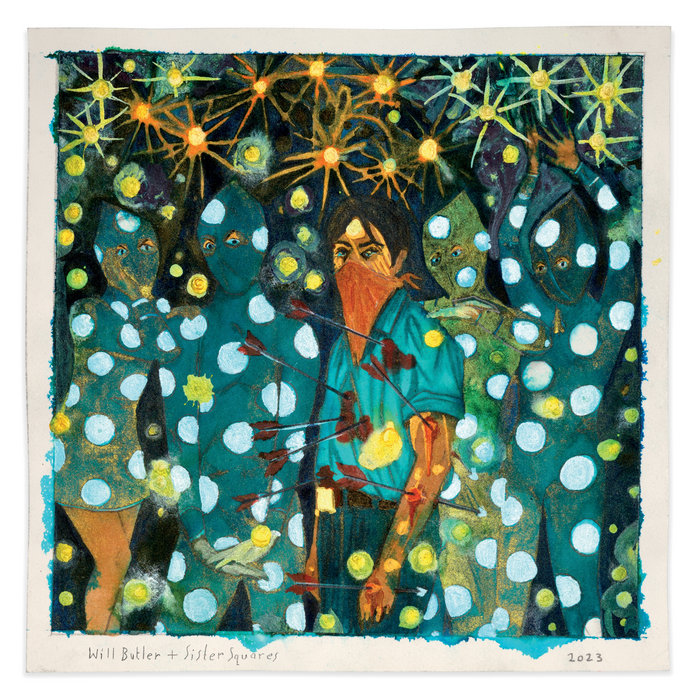
Do álbum Will Butler + The Sister Squares:

In the long grass, in the long grass
By the train tracks, by the train tracks
Waiting with nothing in my hands
Losing your voicе against the wind
Across my face the flow of timе
My shadow slowly fill the night
I found it fading in my mind
The final place I feel alive
Let me stay, let me stay, let me stay
Oh, let me stay here

Links pra essa quinta-feira, 30 de abril

Aqui vão alguns links bacanas pra explorar no feriado:

  • Linha do tempo da Artemis II em fotos: criada por Hank Green graças à informação pública na web. O Flickr preserva os dados EXIF das fotos que a NASA publica em suas contas por lá; e a própria NASA tem uma API pública para a posição da Orion em qualquer momento no intervalo de tempo da missão. Tirei um papel de parede daqui.
  • Cursor Camp: o meu tipo de MMO. Um parquinho para você dar um tempo com outros cursores ao redor do mundo. É surpreendente a quantidade de atividades bacanas que tem por lá, eu até fiz um gol numa partida de futebol e caí de um tobogã.
  • Quem são os amigos inesperados em sua vida?: belíssimo texto sobre uma amizade que surgiu através da rotina e do convívio com um vizinho. Muitas das minhas amizades pós-faculdade vieram assim. O poder que um “oi, bom dia” todo dia cria através do tempo é mágico.
  • rip.so: um “obituário para coisas da internet”. MSN, Orkut, Google Reader… todos tem um textinho que celebrou o que essas coisas trouxeram, e o que o fim delas levou da internet. GeoCities, meu tão adorado, é um deles.

Sugestões: Arquitetura & Decoração

Neal Wittington, em Present & Correct:

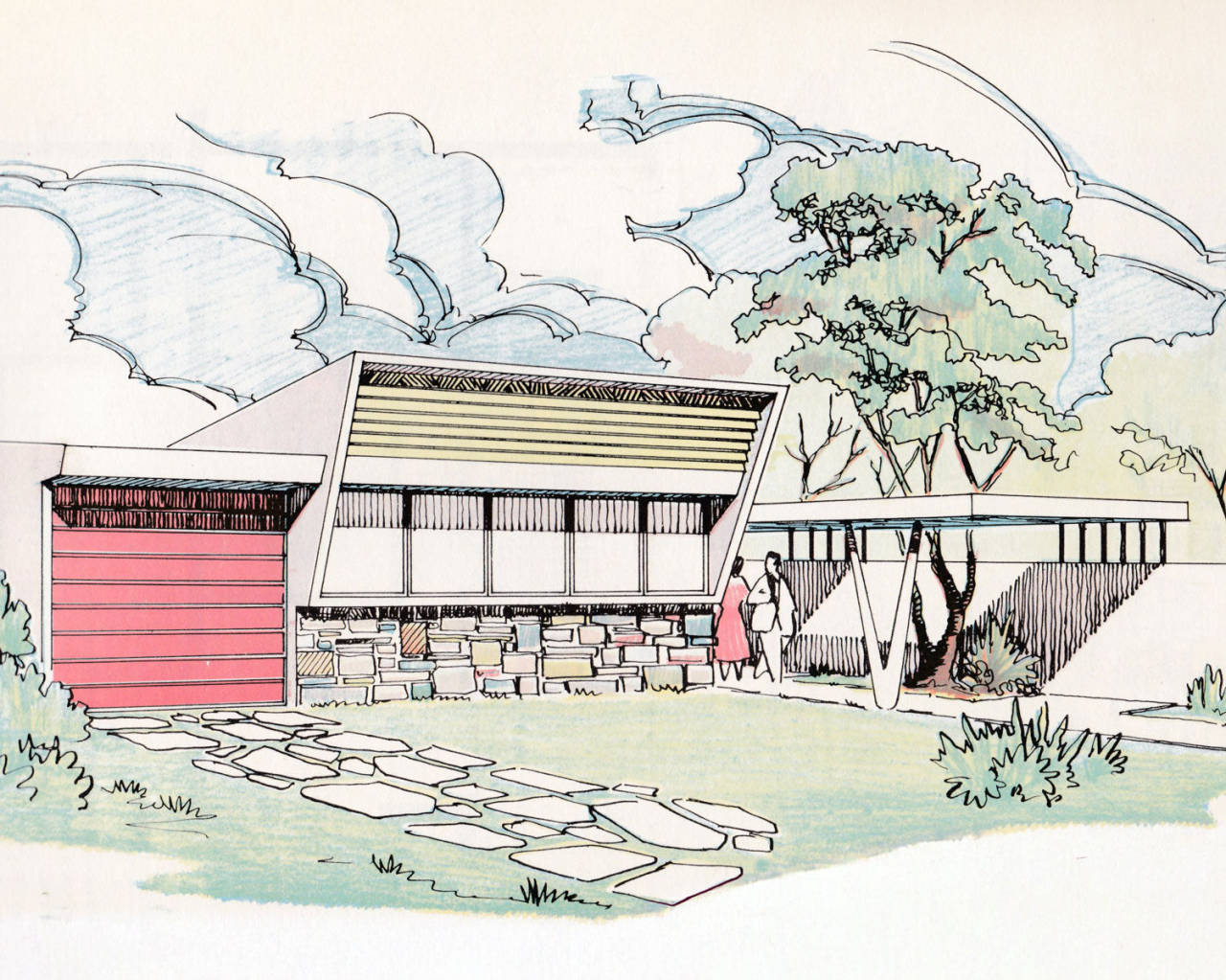
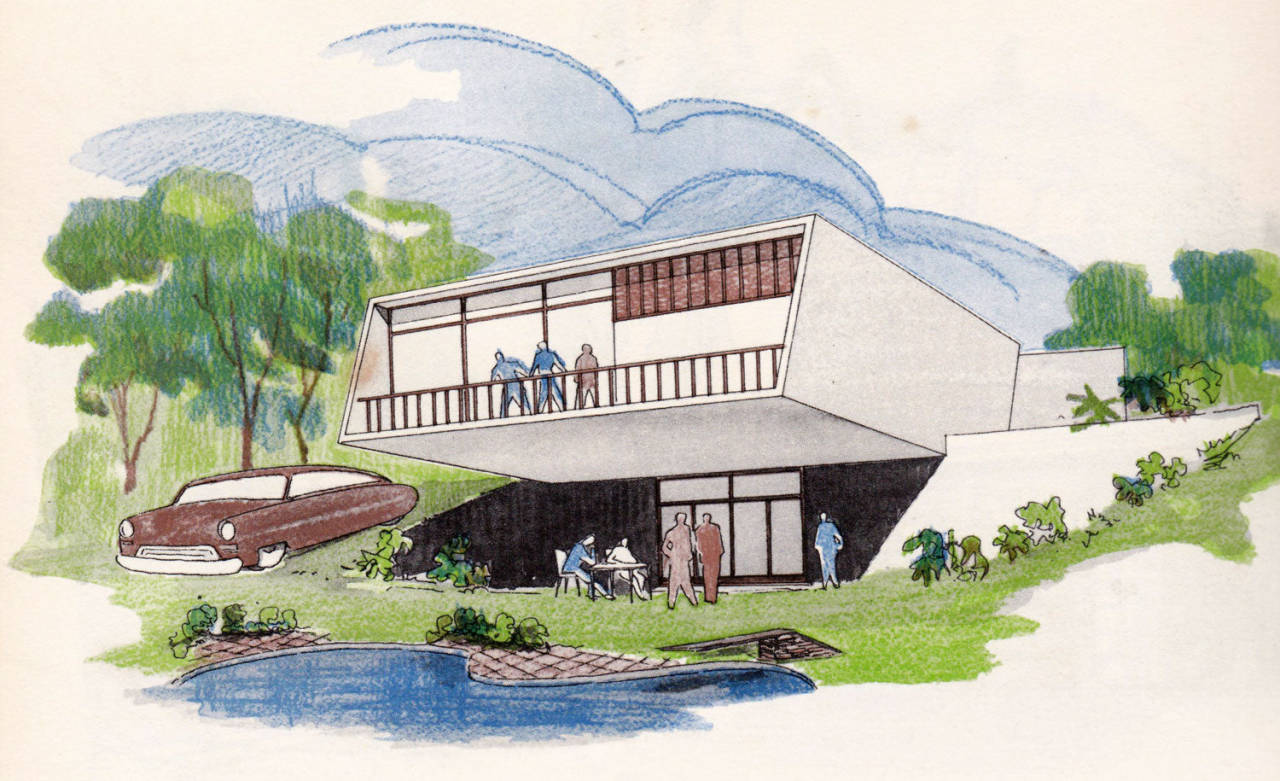
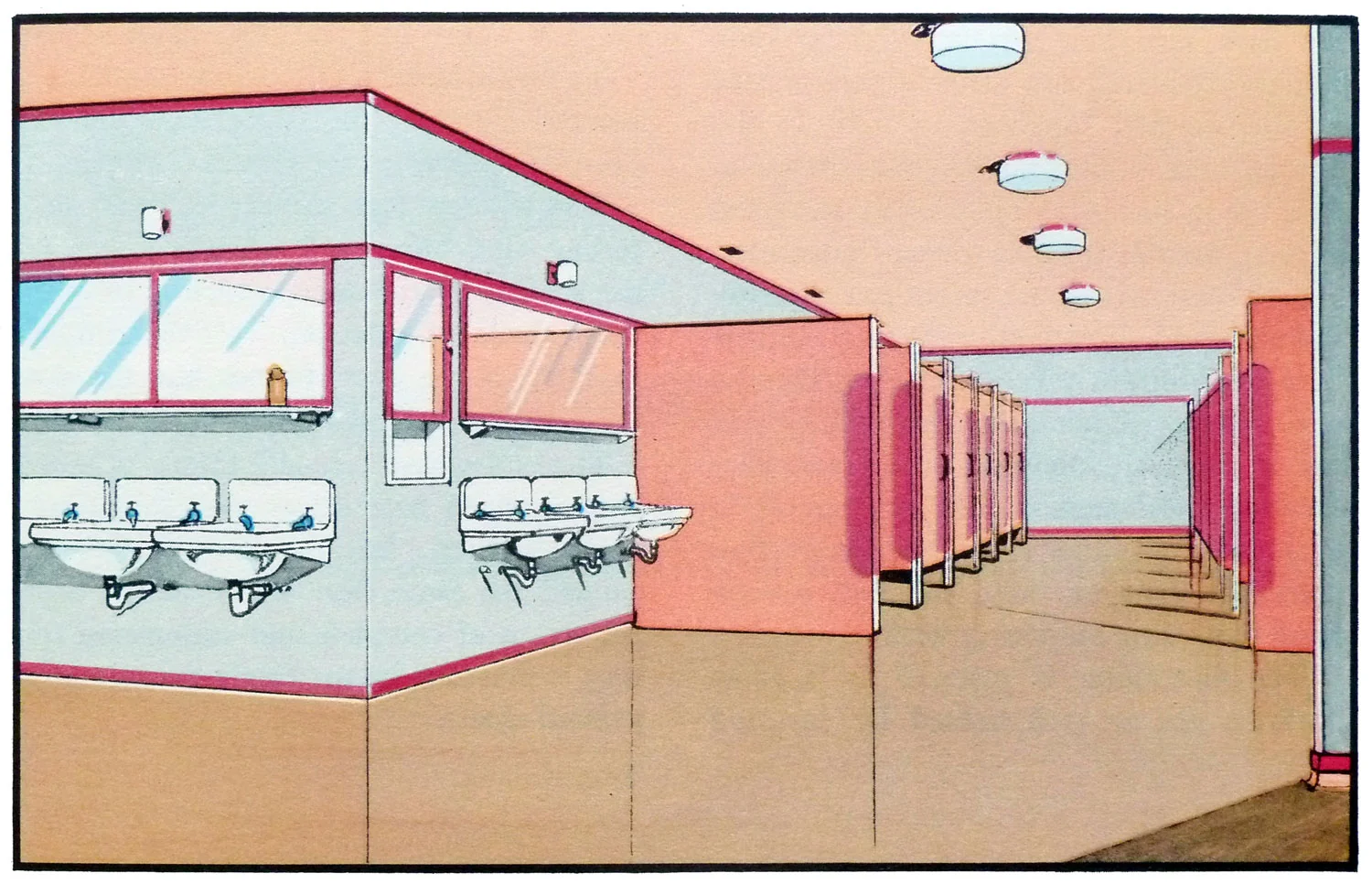
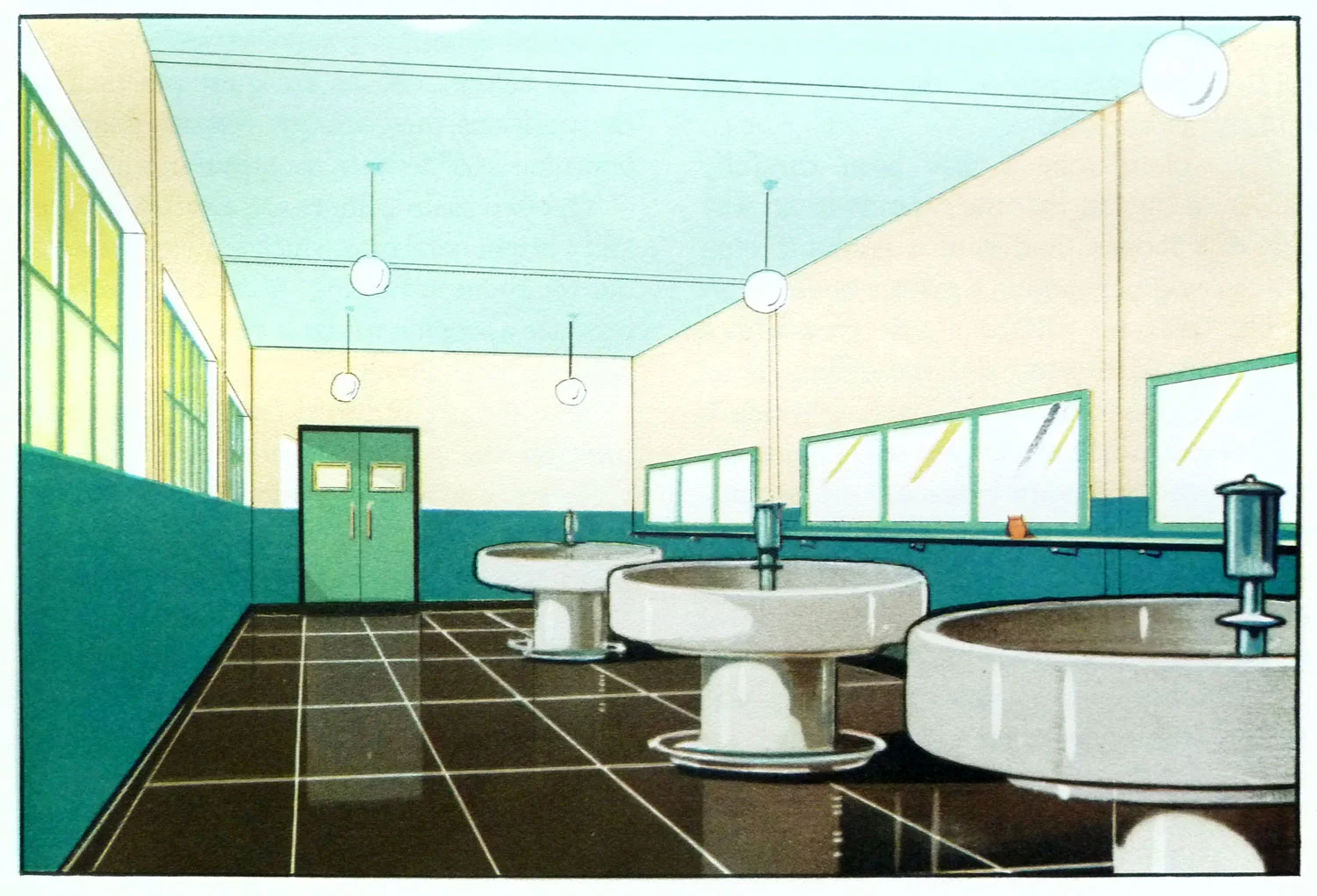
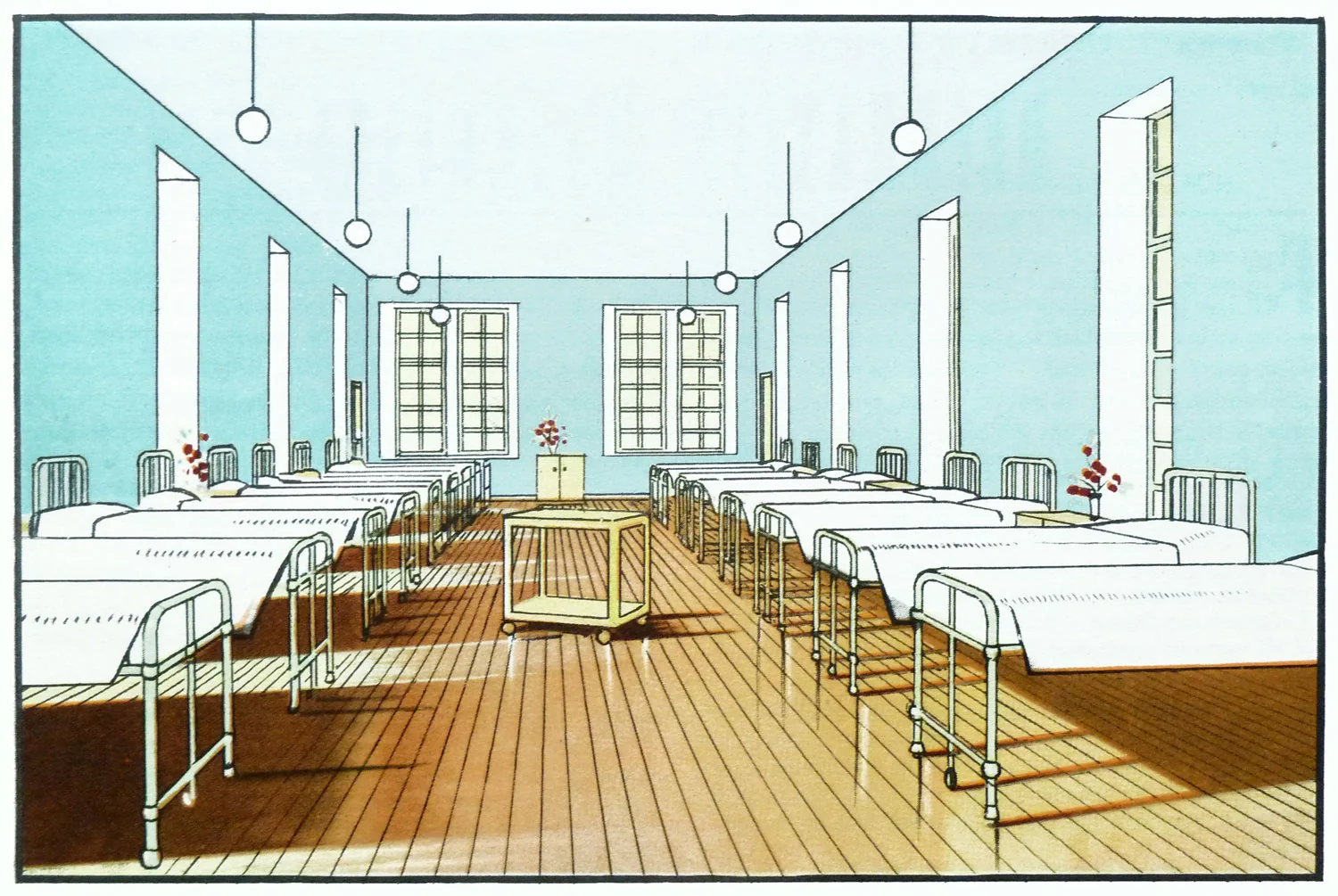
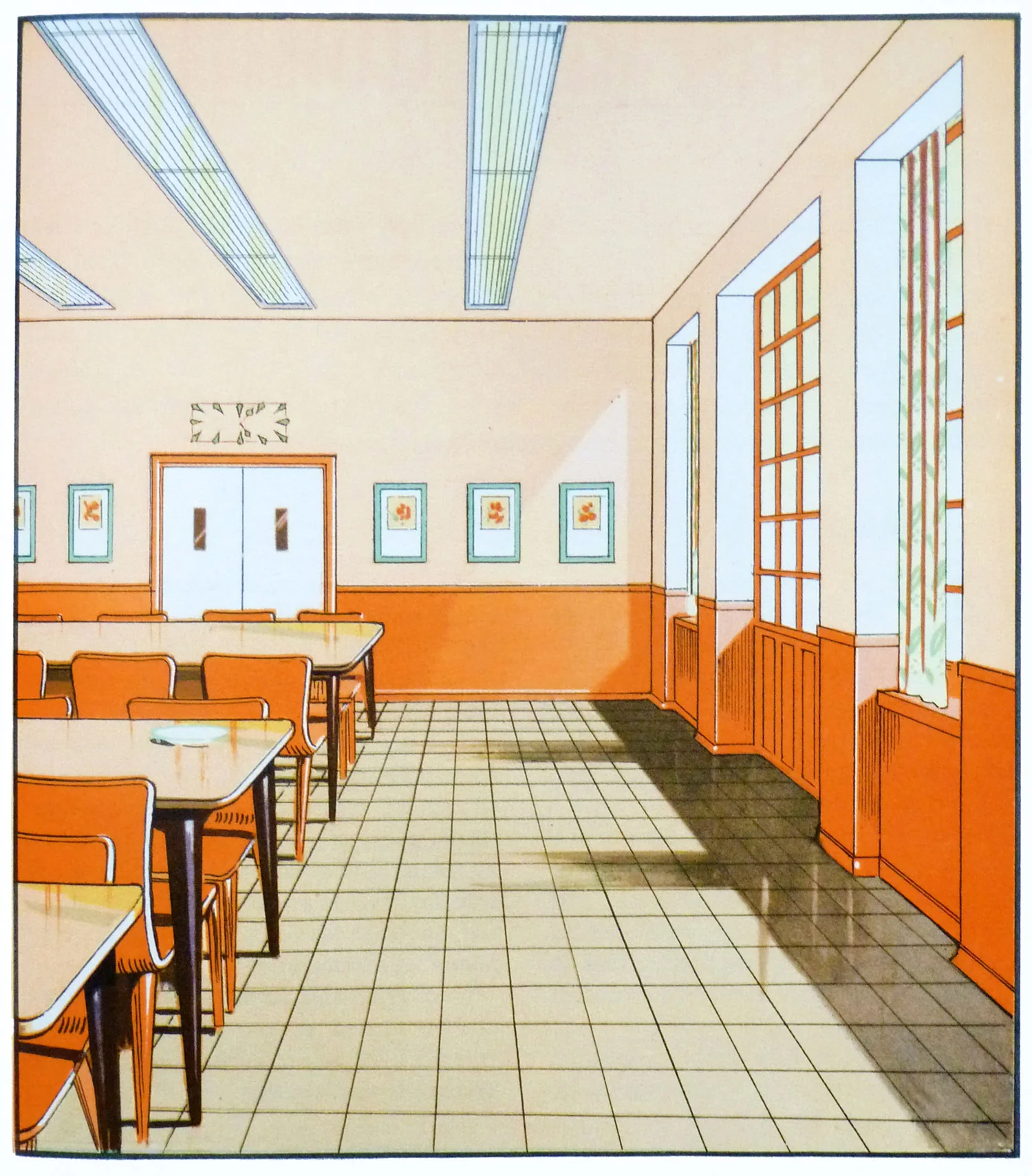
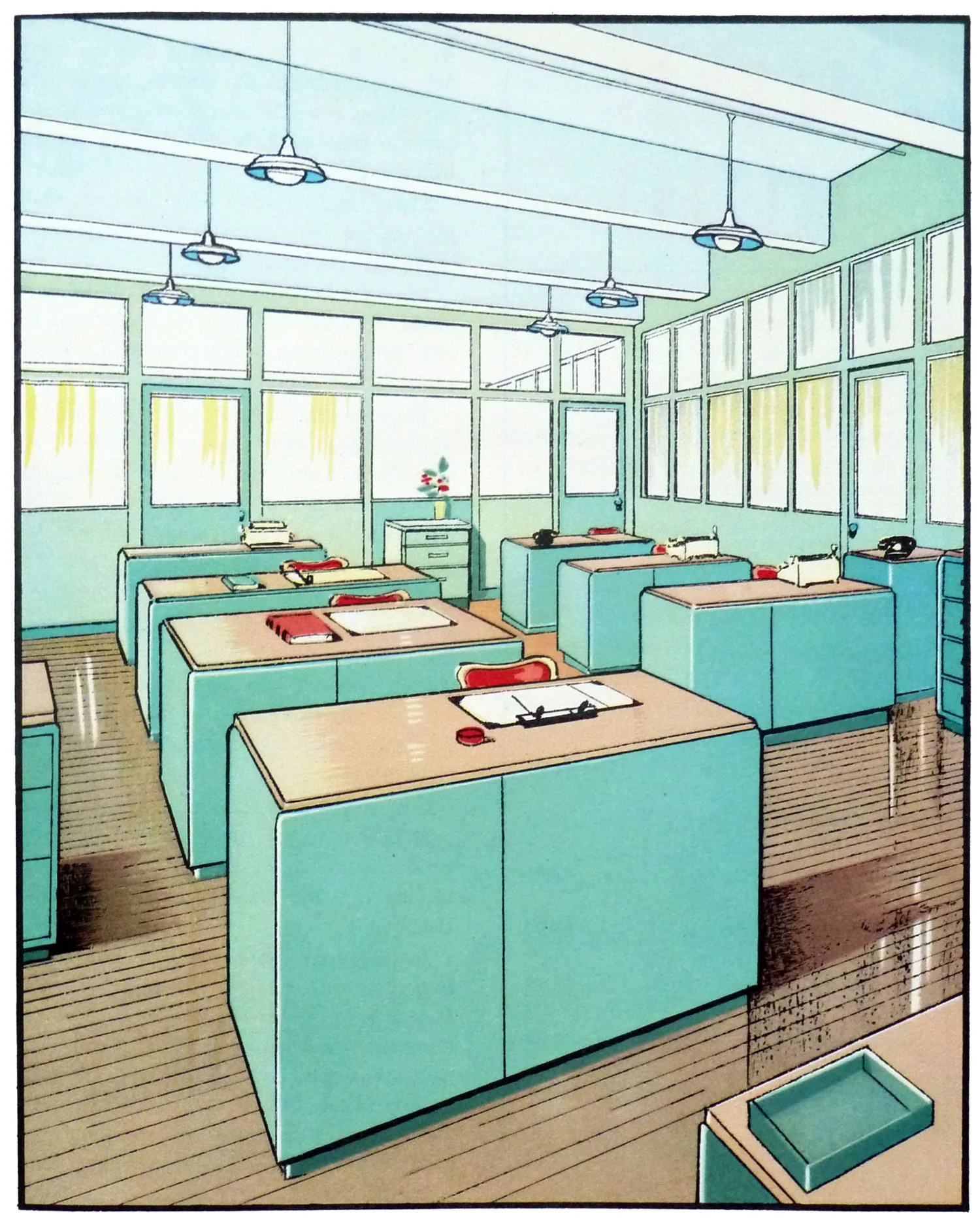
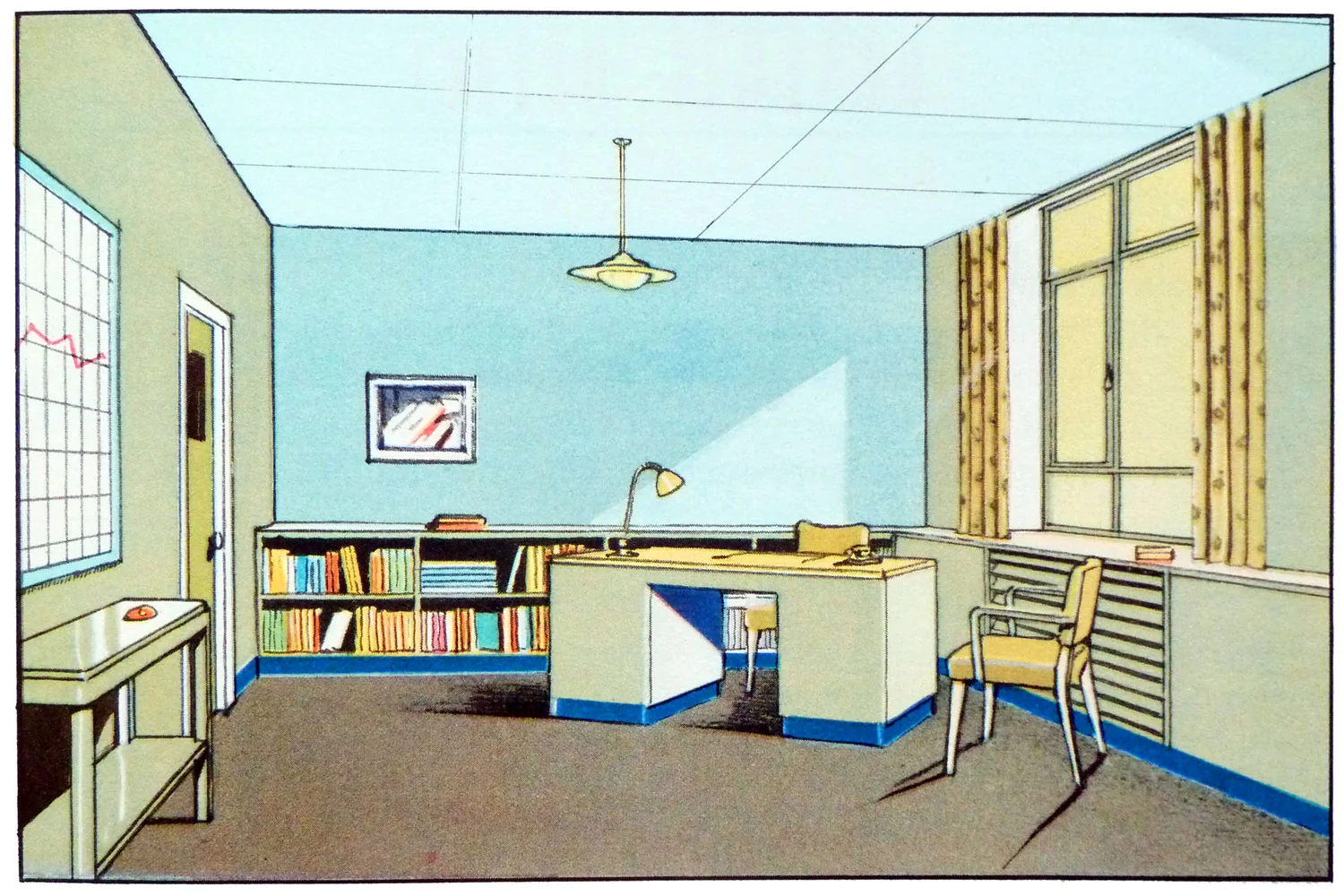
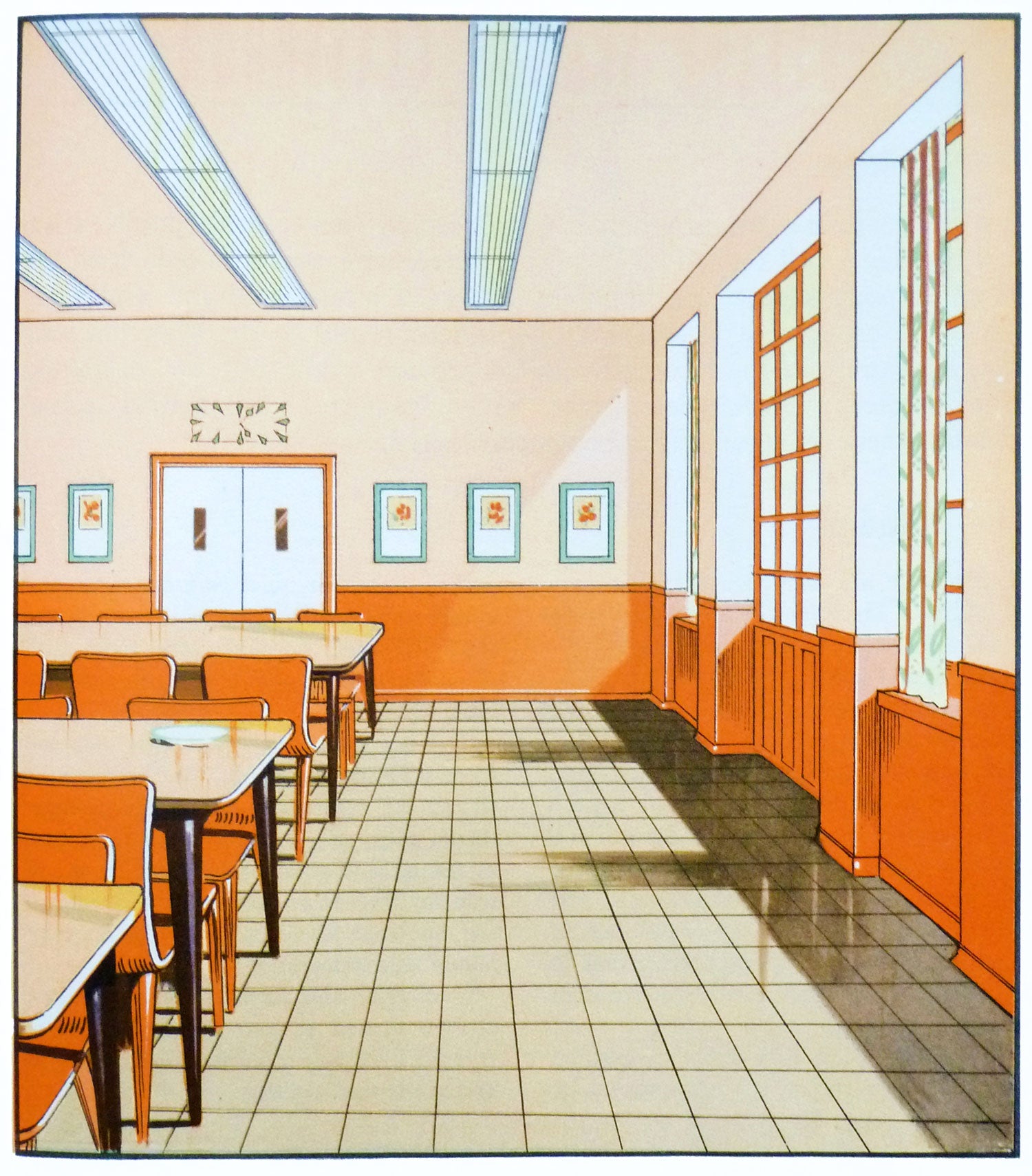
Na Alemanha, no fim de semana, vasculhando um mercado de pulgas em busca de coisas para a loja, também encontramos um livro de projetos/planos para casas modernistas. Publicado em São Paulo em 1956, abaixo digitalizamos alguns favoritos.

As ilustrações são lindas. Me lembro de encontrar algumas casas e prédios assim. Com o tempo elas foram ficando mais e mais raras. Aqui no centro de Porto Alegre ainda tem um prédio que mantém esse estilo, mas é um dos poucos que resiste à ditadura do concreto da Melnick.

Ilustração de casa modernista térrea com garagem de porta rosa, telhado inclinado com ripas de madeira e base em pedra irregular. Caminho de lajotas até a entrada, onde duas pessoas conversam sob uma marquise sustentada por pilar em V, com árvore grande ao lado.
Ilustração de prédio modernista de três andares com faixas horizontais coral e painéis amarelos nas laterais, caixa d'água cilíndrica no topo. Duas escadarias triangulares levam a portas de entrada distintas no térreo, com arbustos e árvore pequena à esquerda.
Ilustração de casa modernista com segundo andar em balanço sobre pilotis, fachada de vidro e brises de madeira. Três pessoas na varanda superior, outras no pátio e à porta térrea. Carro antigo à esquerda, piscina em primeiro plano, mata ao fundo sob céu estilizado em azul.
Ilustração de prédio modernista de múltiplos andares com fachada em faixas horizontais amarelas e brancas, sustentado por pilotis sobre base de pedra. Torre cilíndrica azul com nervuras verticais ao centro abriga a escada. Carro azul antigo estacionado à direita, pessoas caminhando na entrada.

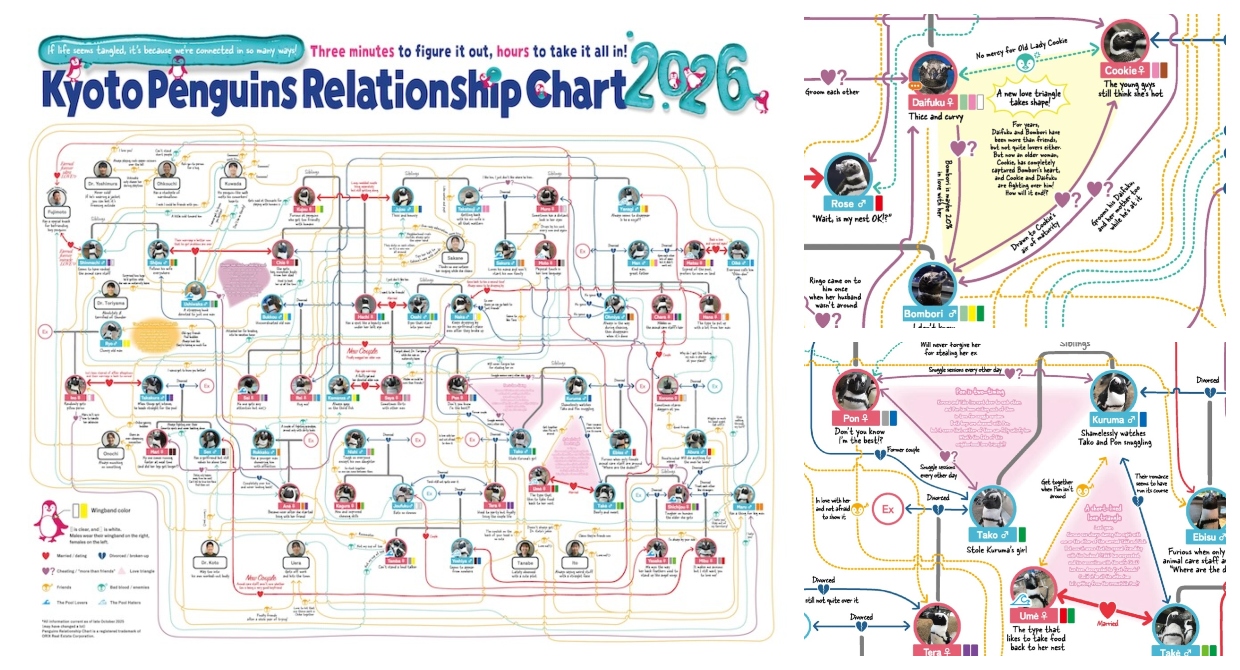
Um mapa dos relacionamentos dos pinguins nos aquários japoneses

Esses fluxogramas (pra mim isso é mais um mapa) dos relacionamentos dos pinguins dos aquários de Quioto e de Sumida, em Tóquio tão sendo uma leitura impressionante. É tanto drama!

Via Spoon & Tamago:

Penguins are highly social species. They like being with others and, like humans, this can often lead to polyamorous and sometimes scandalous situations. Penguin drama can include serious crushes and heartbreaks but also adultery and egg-stealing. Penguins may even develop crushes on their caretakers. And these Japanese aquariums have it all charted in a flowchart that can be studied for hours.

Posso concordar. Ler esse fluxograma tirou (ou melhorou?) horas da minha quarta-feira.

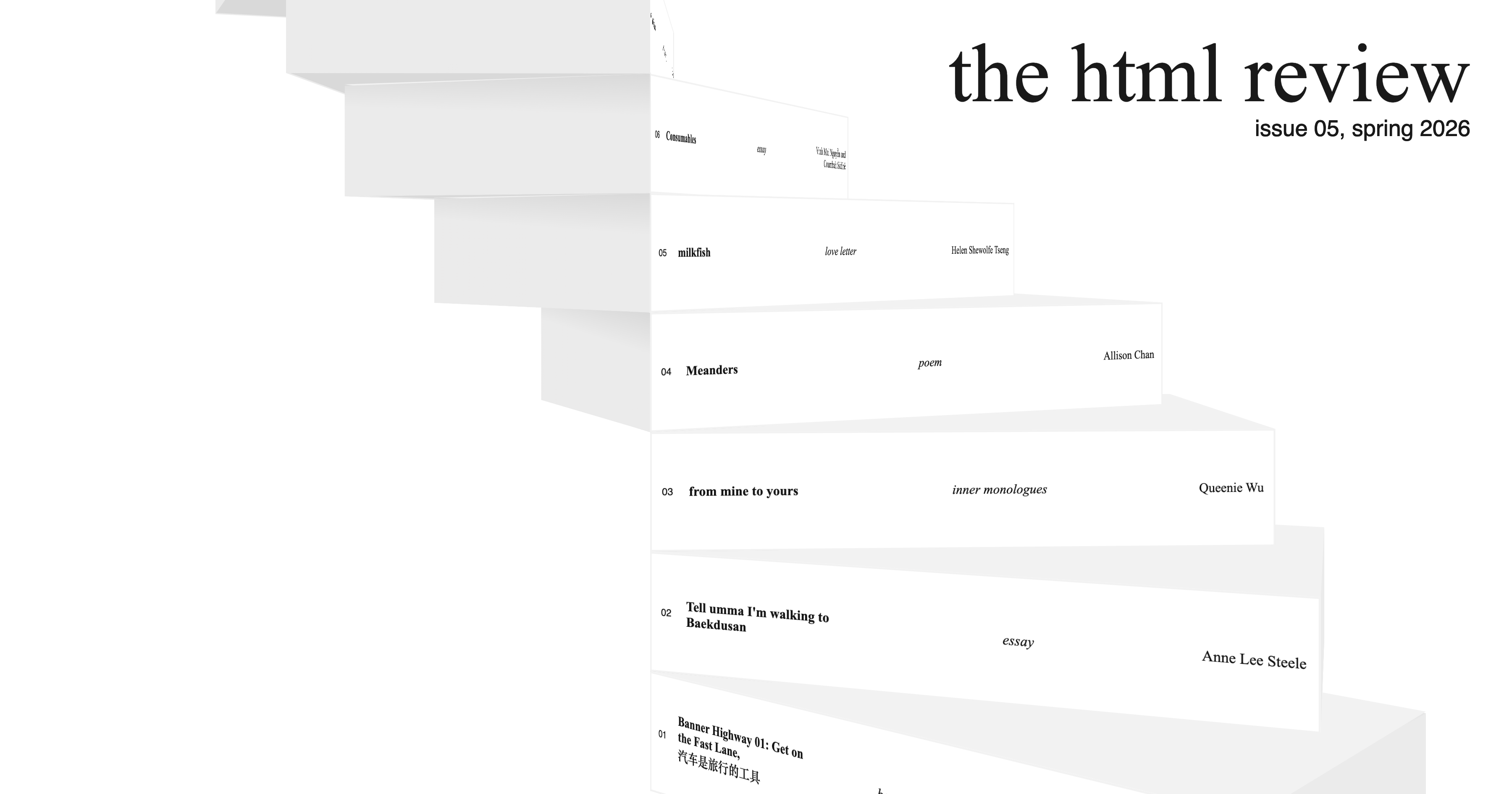
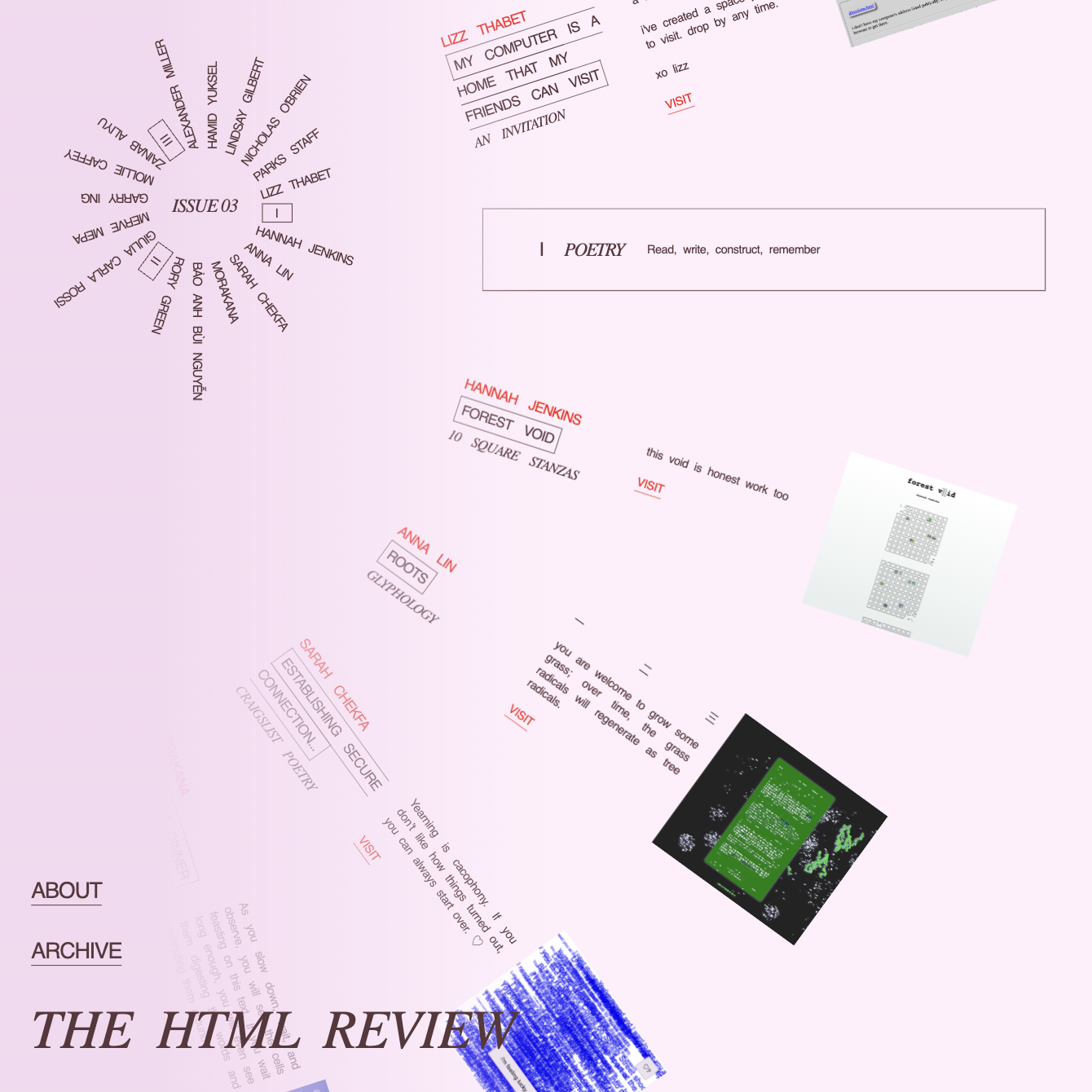
The HTML Review, nº 5

Saiu o novo volume da The HTML Review, uma revista sobre a internet feita à mão. Como todos os anos, ela é cheia de pequenos experimentos.

Toda a HTML Review é especial. Eu recomendo começar sempre da primeira página e ir seguindo, como se folheasse uma revista mesmo. Eu ainda tô adentrando essa edição, mas duas seções me cativaram muito:

  • Tell umma I’m walking to Baekdusan, um ensaio de Anne Lee Steele sobre a relação entre a sua “psicogeografia” e o próprio computador.
  • from mine to yours, um “monólogo interno” de Quennie Wu em uma caminhada. Acho que nada, em toda a minha vida, capturou tão bem a sensação que eu tenho de caminhar — um hábito que eu não perco por nada.

Bom sábado!

Software simples

Eu tô tentando zerar minha lista de leitura. Ela tem 209 links para ler, catalogar e arquivar. Pra me forçar a ler um pouco todo o dia, vou começar a postar aqui o que eu estou lendo, e talvez um comentário ou destaques.

Hoje, foi TextEdit and the Relief of Simple Software, no The New Yorker.

Kyle Chayka:

Amid the accelerating automation of our computers—and the proliferation of assistants and companions and agents designed to execute tasks for us—I’ve been thinking more about the desktop that’s hidden in the background of the laptop I use every day. […]

Over the past few years, I’ve found myself relying on TextEdit more as every other app has grown more complicated, adding cloud uploads, collaborative editing, and now generative A.I. TextEdit is not connected to the internet, like Google Docs. It is not part of a larger suite of workplace software, like Microsoft Word. You can write in TextEdit, and you can format your writing with a bare minimum of fonts and styling. Those files are stored as RTFs (short for rich-text format), one step up from the most basic TXT file.

I trust in TextEdit. It doesn’t redesign its interface without warning, the way Spotify does; it doesn’t hawk new features, and it doesn’t demand I update the app every other week, as Google Chrome does. […] Each encourages you to adapt to a certain philosophy of organization, with its own formats and filing systems. But nothing has served me better than the brute simplicity of TextEdit, which doesn’t try to help you at all with the process of thinking. Using the app is the closest you can get to writing longhand on a screen. I could make lists on actual paper, of course, but I’ve also found that my brain has been so irredeemably warped by keyboards that I can only really get my thoughts down by typing […]

We users have learned that cloud-based apps and digital platforms are more likely to surveil us, mine our data, and manipulate our attention than to provide us the precise content and services we seek […]

Acho que esse relato de como Chayka usa o editor de texto (e como interage com um desktop) me ajudou a entender porque eu acho que nenhum outro dispositivo — celular, tablet, nada disso — consegue capturar: a ideia de que o computador é uma “bicicleta para a mente”. Usar programas que lidam com arquivos, que nos pedem para organizar e catalogar eles nos fazem pensar na nossa própria organização — eles nos deixam responsáveis pelo nosso próprio pensamento, pela forma como estruturamos ele e a forma que criamos sentido.

Um celular, ao contrário, quer moldar sua organização para a abordagem de um app específico. Olha como a gente adapta nossos pensamentos para as limitações do app de notas que usamos, por exemplo, ou como as limitações na hora de organizar a tela de início de um celular não nos permite criar sentido na forma que operamos o dispositivo, diferente de como organizamos (ou não organizamos) nossa área de trabalho no computador.

Ninguém sabe por que os preços do Nintendo 3DS dispararam

Provavelmente por ser o melhor videogame de todos os tempos? O New Nintendo 3DS/2DS é capaz de rodar todos todos os jogos de consoles da Nintendo até o N64, e todos os jogos de consoles portáteis da Nintendo. Eu não largo o meu de jeito nenhum. E o sistema é tão gostoso de usar. Lembra quando a Nintendo fazia interfaces que nos deixavam felizes?

Os benefícios de desistir

Molly Glick, na Nautilus:

O otimismo tende a estar fortemente ligado à abertura de uma pessoa para revisar um objetivo para melhor ajustá-lo às suas habilidades e recursos. “Esses achados indicam que a flexibilidade na busca de objetivos tem mais probabilidade de emergir quando os indivíduos se sentem seguros, exibem regulação estável e possuem resiliência emocional”, observa o artigo.

[…] Desistir de objetivos foi significativamente ligado à redução de estresse, ansiedade e depressão, por exemplo. E adotar novos objetivos foi fortemente associado a alto funcionamento social e físico. Encontrar novos objetivos também veio com benefícios de moderados a grandes para o funcionamento psicológico, senso de propósito na vida, satisfação e crescimento pessoal.

O artigo nota que ainda não há uma “medida de persistência” que possa ser considerada saudável antes de desistir de um objetivo. Lendo esse texto me fez lembrar que alguns dos momentos que eu estive genuinamente feliz foi quando eu decidi parar de insistir em uma coisa e replanejei minha rota pra outra. Tava precisando ler isso hoje.

Como dar uma boa festa

Eu adorei essa lista com 21 dicas de como dar uma boa festa. Tem dicas genuinamente práticas (como colocar comida e bebida em cantos diferentes, pra facilitar as pessoas a se mexerem e conversarem em círculos distintos). E também tem algo que eu acredito muito, mas nunca consegui colocar em palavras: festas são um serviço público. Uri:

Parties are a public service, you’re doing people a favor by throwing them. Someone might meet their new best friend or future lover at your gathering.

Como artistas representavam fogos de artif[ício através do tempo

Adorei esse ensaio de Simon Werrett para a The Public Domain Review sobre os desafios e as formas com que artistas capturavam e representavam pirotecnias no passado, seja na poesia, na ilustração e na pintura.

Achei muito boa a relação que Werrett faz entre a representação do tempo e o efeito dos fogos de artifício, que precisam “quebrar” a regra para serem representados:

To capture smoke might imply the representation of a moment in time in a display, and fireworks images dealt variously with the issue of representing time visually. Most commonly, artists and engravers created a single image capturing a significant moment in a pyrotechnic performance. An image of fireworks on the Seine in front of the Louvre in 1628 by Morel, celebrating the siege of La Rochelle, showed the moment when Perseus (Louis XIII) attacked a Sea Monster (representing Protestantism) to save Andromeda (Catholicism) tied to a rock (La Rochelle).

“Oi, sou eu, Wikipédia, e eu estou pronta para seu pedido de desculpas”

Wikipédia, provavelmente:

Tell me, how have you guardians of facts been doing recently? (See also: Techno-Feudalist Infocide.)

Maybe twenty years ago, the alternative to my 100,000 crowd-sourced editors was a PhD expert, or Edward R. Murrow [citation needed]. But today, I’m not looking so bad, huh? Absolute best case, the LLM-generated legal advice you get is merely plagiarizing, probably from me. But more likely, it’s a mish-mash of Reddit posts filtered through an algorithm coded by a Belarusian teenager on the run from Interpol. (See also:Illya “CyberGhost” Cieraškovič, Controversies.)

Perfeito. Você pode doar para a Wikipédia.

Nintendo atualiza Animal Crossing: New Horizons de novo, quatro anos depois

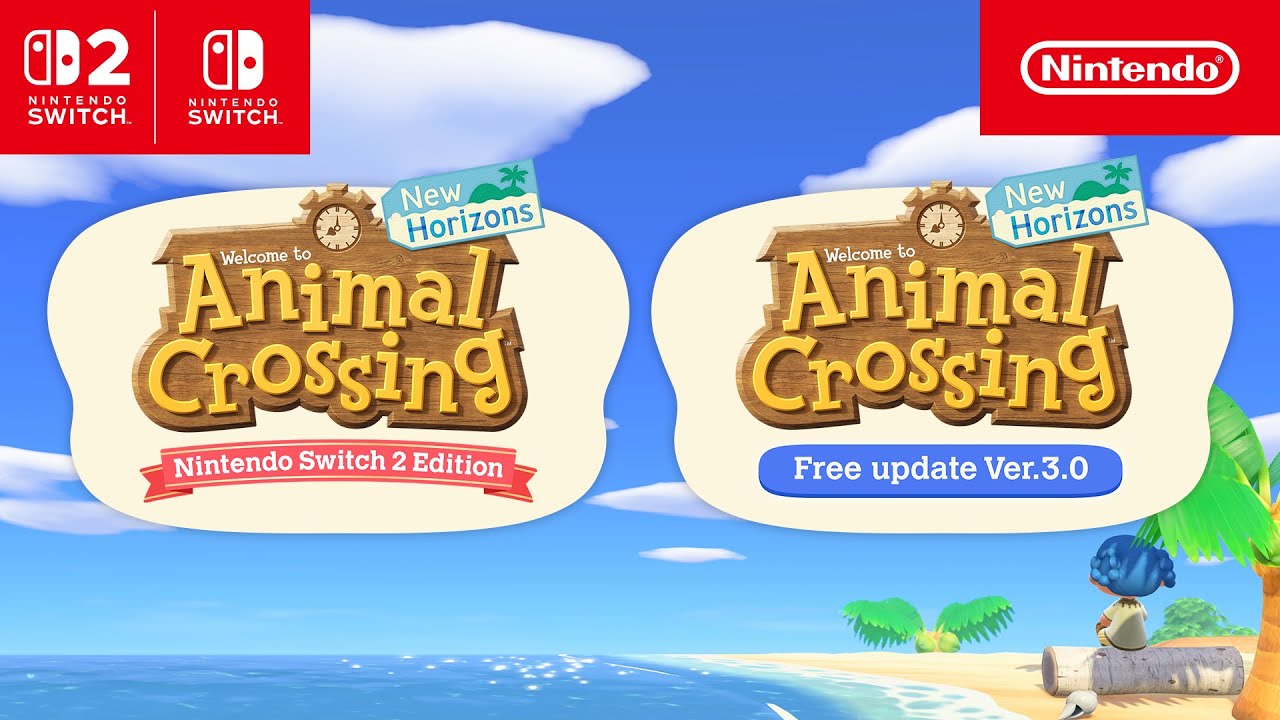
Animal Crossing: New Horizons vai receber uma nova atualização dia 15 de janeiro (presente de aniversário!), além de uma versão melhorada para o Nintendo Switch 2.

A atualização, que vai estar disponível tanto na edição nova quanto no Switch original, traz uma série de melhorias no recurso de DIY (os jogadores podem “montar” móveis e acessórios para mobiliar sua casa e decorar a ilha), e nova jogabilidade: a ilha vai receber um hotel, que os jogadores vão poder ajudar a decorar e a receber hóspedes — é o mais novo “emprego” que o jogo oferece, depois da expansão Happy Home Paradise nos fazer decorar uma outra ilha inteira —, um serviço de limpeza do sr. Resetti e uma nova ilha colaborativa para que você possa decorar com seus amigos através da dimensão de sonhos da Luma. Além disso, a atualização vai trazer novos itens e colaboração com Lego e as séries The Legend of Zelda e Splatoon.

Já a versão melhorada para Nintendo Switch 2 vai oferecer suporte ao GameChat e os recursos online foram expandidos de 8 para 12 jogadores simultâneos. O jogo também foi remasterizado em 4K.

New Horizons talvez seja o jogo que eu mais joguei na minha vida. Eu ainda jogo quase que diariamente. Quando lançou, em 2020, nos primeiros dias do isolamento social da pandemia, parecia um refúgio pra mim e pros meus amigos. Eu escrevi pela primeira vez em maio daquele ano, sem muita perspectiva do que ainda estava por vir. Em outubro de 2020 New Horizons já fazia parte da minha rotina e da minha vida social de maneiras irreversíveis. Em dezembro de 2021, quando as coisas estavam começando a voltar a uma nova normalidade, a Nintendo anunciou uma suposta “última atualização”, e o jogo ficou para trás nas conversas do dia-a-dia.

Mas não pra mim. Eu tenho um problema de desapego muito forte. Eu não consigo dizer adeus à Léte, minha ilha, nem pros meus vizinhos. E eu acho que eu não quero também. Animal Crossing é um jogo que parece jardinagem. Ele muda com o tempo de maneiras sutis, mas reflete mais as mudanças do jogador. Nossos interesses, nosso cuidado. Tudo isso vai mudando com o tempo. Nesses cinco anos em que eu jogo New Horizons quase que diariamente, o mundo mudou completamente. É um jogo da COVID, de certa forma. É um jogo do mundo depois dela também.

Wajã Xipai reflete sobre sua entrevista com António Guterres

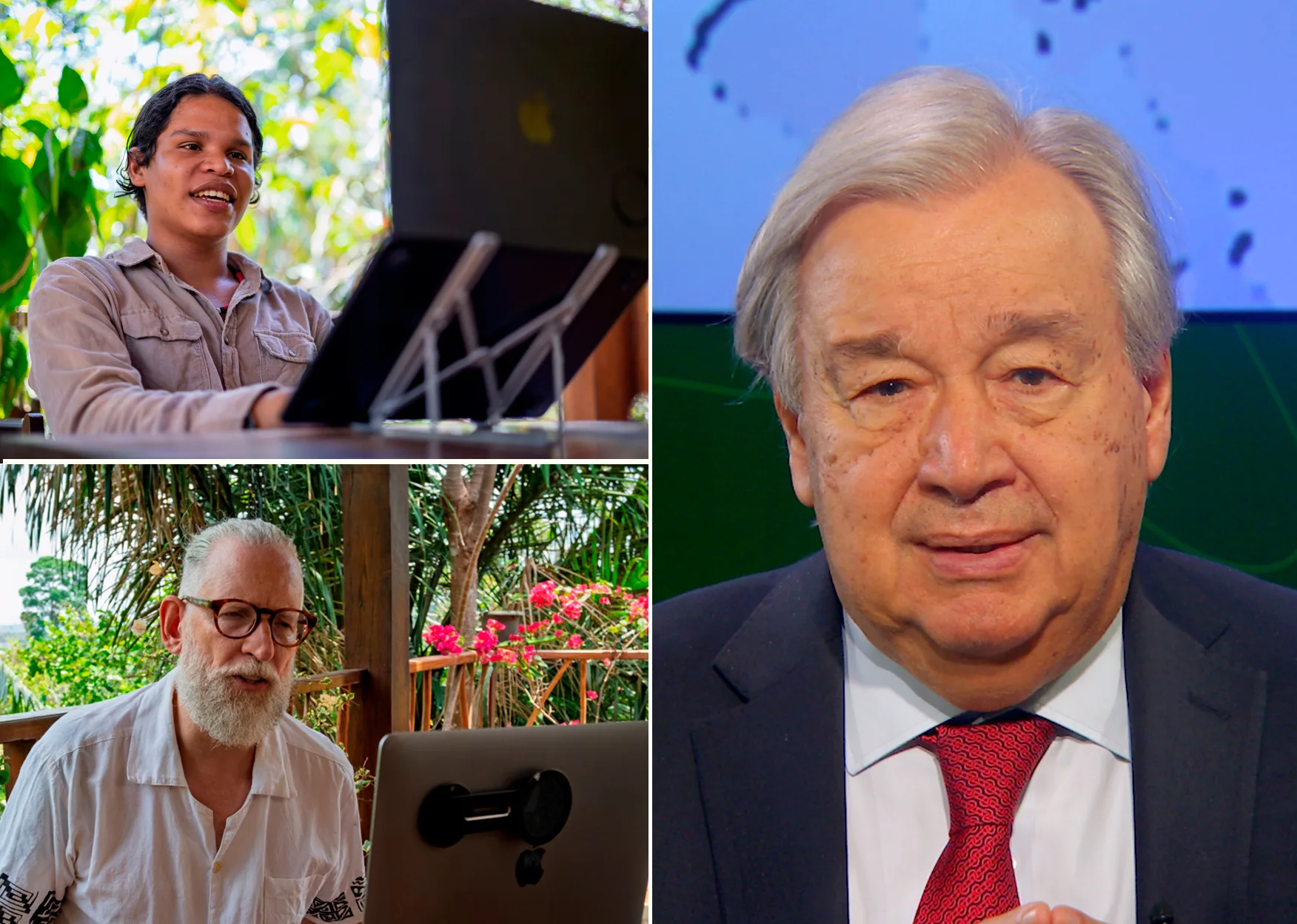
Para a SUMAÚMA, um dos melhores sites da internet, Wajã Xipai entrevistou o seccretário-chefe da ONU. Wajã é o primeiro indígena a entrevistar com exclusividade o líder da ONU. A entrevista em si é ótima, mas esse é o relato de Wajã sobre a situação: suas preocupações sobre como abordar suas perguntas, sobre mostrar a cicatriz aberta da Amazônia sem reduzí-la a isso.

Wajã:

Como é ver o planeta-casa do lugar de Guterres aos poucos se convertendo em um lar hostil? Eu sei como é sentir, na pele e na alma. Acredito que na alma ele também entenda como é. Por isso, em vários momentos enquanto ele falava fiquei imaginando como seria a resposta dele se eu o levasse até meu território. Ele teria que sair da única cidade que frequentamos, Altamira, na Amazônia paraense, até minha terra. A viagem seria de voadeira e, dependendo da época do ano, quando os rios podem estar mais ou menos secos, ela duraria de três a seis dias. Uma parte seria navegada pelas águas violentas do Rio Xingu, depois entraria em outro rio, o que corre na minha aldeia, o Iriri.

Então, se a viagem fosse no verão, quando há seca, em vários momentos ele teria que sair da voadeira para ajudar a empurrá-la, porque a cada verão o Iriri vai ficando mais seco, a ponto de a embarcação se arrastar no leito do rio. Ele então poderia ver com seus próprios olhos que o rio também teria tons bem esverdeados por causa da floração de cianobactérias, que se beneficiam da água mais quente e dos nutrientes presentes nos sedimentos jogados pelo garimpo ilegal. Queria perguntar se ele entende o que é ver o rio de sua aldeia mudar de cor.

Rattlesnake Kate

Eu tô fascinado pela história de Katherine Slaughterback que estava indo com seu filho para um lago e se deparou com mais de cem cascavéis migrando. Ela matou as 140 cobras primeiro com seu rifle e, quando acabaram as balas, com uma placa que (dizem os rumores) dizia “Caça Proibida”. Amanhã, esse causo completa um século.

O artigo na Wikipédia é uma daquelas pérolas em que o tom “neutro” dos artigos só ressalta ainda mais o absurdo da história. Entre os detalhes sobre Katherine está o fato de ela usar calças, “o que era incomum para mulheres em sua época”.

Anos depois, Kate criaria cascavéis para ordenhar o veneno e vendê-lo para cientistas na Califórnia. Ela faleceu em 1969, aos 76 anos.

door.link

Falando em música, semana passada eu encontrei um link pro site door.link no meu menu de favoritos do navegador. Eu não sei como ele foi parar lá, pra falar a verdade, mas acabou que door.link tem músicas excelentes pra passar o dia.

É exatamente isso que tem no site: uma seleção de músicas (197 no dia de hoje) “escolhidas a mão, crescendo com o tempo, livre de algoritmo”. Eu não faço ideia como esse link apareceu no meu menu de favoritos, mas tá aí uma boa descoberta.

Mapas da internet

Eu tropecei nessa página do site de Kevin Kelly em que ele pede pras pessoas ajudarem ele a mapear a internet. Mas não mapear toda a internet, mapear como as pessoas organizam ela na mente.

É um projeto que tá rolando desde 2009. Eu não sei se ele acabou, mas no álbum completo existem mapas publicados até 2019. (Como é bom tropeçar num link pro Flickr).

Aqui vão alguns bacanas:

Mapa mental da internet com email no centro, circundado por RSS e Firefox. Ao redor, serviços como Google, Amazon, blogs, fóruns e redes sociais. À esquerda, ferramentas como BeaCon e Watch Dogs. Abaixo, uma base rotulada como Sanbox. Desenhado por um herético de 48 anos que passa 14 horas por dia online. Mapa mental da internet com email no centro, circundado por RSS e Firefox. Ao redor, serviços como Google, Amazon, blogs, fóruns e redes sociais. À esquerda, ferramentas como BeaCon e Watch Dogs. Abaixo, uma base rotulada como ‘Sanbox’. Desenhado por um herético de 48 anos que passa 14 horas por dia online.

Diagrama de rede centrado em My Webmail (home) conectado a diversos serviços: Gmail, Facebook, Twitter, Flickr, Yelp, blogs variados (Design Observer, Orange Beautiful Blog, Glamorous Blog), sites de notícias e recursos profissionais. Inclui áreas temáticas como Fishbowl NY e Revolving Door. Criado por um diretor de arte de 29 anos que passa 6 horas diárias online. Diagrama de rede centrado em ‘My Webmail (home)’ conectado a diversos serviços: Gmail, Facebook, Twitter, Flickr, Yelp, blogs variados (Design Observer, Orange Beautiful Blog, Glamorous Blog), sites de notícias e recursos profissionais. Inclui áreas temáticas como Fishbowl NY e Revolving Door. Criado por um diretor de arte de 29 anos que passa 6 horas diárias online.

Mapa ilustrado da internet como paisagem: montanhas representam IRC e fóruns chineses; Pirate Bay como baía; My Home como casa central; Twitter e Facebook como rio; grandes logos de BLOGS, Amazon, e Google como formações de relevo; The Cloud com serviços Gmail, Calendar e Docs. Desenhado por um editor/autor de 37 anos com 5 horas diárias online. Mapa ilustrado da internet como paisagem: montanhas representam IRC e fóruns chineses; Pirate Bay como baía; ‘My Home’ como casa central; Twitter e Facebook como rio; grandes logos de BLOGS, Amazon, e Google como formações de relevo; ‘The Cloud’ com serviços Gmail, Calendar e Docs. Desenhado por um editor/autor de 37 anos com 5 horas diárias online.

Diagrama simétrico com I AM RIGHT HERE no centro, conectado a cinco áreas principais: Wretch.com (fotos, blogs, vídeo), Wikipedia, Facebook (fotos, vídeos, amigos), Yahoo (shopping, webmail), e Google (web, imagens, mapas). Também inclui YouTube e Vedia. Criado por um estudante de 14 anos que passa 1-2 horas por dia online. Diagrama simétrico com ‘I AM RIGHT HERE’ no centro, conectado a cinco áreas principais: Wretch.com (fotos, blogs, vídeo), Wikipedia, Facebook (fotos, vídeos, amigos), Yahoo (shopping, webmail), e Google (web, imagens, mapas). Também inclui YouTube e Vedia. Criado por um estudante de 14 anos que passa 1–2 horas por dia online.

Representação concêntrica da internet: HOME no centro absoluto, circundado por múltiplas camadas expansivas de pequenos retângulos interconectados formando uma esfera, simbolizando a vastidão e interconexão da rede. Desenhado por um estudante/artista de 23 anos que passa 5 horas diárias online. Representação concêntrica da internet: ‘HOME’ no centro absoluto, circundado por múltiplas camadas expansivas de pequenos retângulos interconectados formando uma esfera, simbolizando a vastidão e interconexão da rede. Desenhado por um estudante/artista de 23 anos que passa 5 horas diárias online.

Diagrama técnico de infraestrutura: nuvem Internet no topo conectada a servidores (Google.co.uk, Fujitsu.co.jp, Cegeplimolieu.ca, entre outros) e à rede doméstica com Videotron TGV120, D-Link DL-604L, e computador FX-8350. Criado por um Desktop Resolver lvl2 de 39 anos que passa 12 horas diárias online. Diagrama técnico de infraestrutura: nuvem ‘Internet’ no topo conectada a servidores (Google.co.uk, Fujitsu.co.jp, Cegeplimolieu.ca, entre outros) e à rede doméstica com Videotron TGV120, D-Link DL–604L, e computador FX–8350. Criado por um Desktop Resolver lvl2 de 39 anos que passa 12 horas diárias online.

Kelly postou uma taxonomia desses mapas depois, e oferece um PDF com o modelopara que pessoas desenhem um mapa e mandem para ele de novo. Eu não sei se ele ainda aceita novos mapas, mas Tiffany N do Cyber Celibate está criando um novo projeto semelhante, e aceita novos mapas até dia 20 de outubro. Você pode enviar seu mapa para tiffany@breakfastatmyhouse.com, o único requisito é que você indique onde está a home da sua internet no mapa.

Se você quiser me mandar um mapa da sua internet, eu aceito também.

fifty thousand names

Todo ano acontece o Tiny Awards, que celebra um site da internet pequena, feita à mão. Essa é a terceira edição do prêmio, e foi pro fiftythousandnames.org, que lista em um gráfico as 50 mil pessoas que morreram no genocídio em Gaza com seus nomes, idades e, em alguns casos, as circunstâncias de suas mortes. O número de pessoas no site parece baixo porque ele condiz com o número de vítimas de outubro de 2023 à março de 2025. Se feito hoje, teria muitos nomes mais.

Leo Scarin, aceitando o prêmio desse ano:

Data visualization, even with the most poetic intentions, won’t fix the ongoing genocide in Gaza. But it can draw a starting point that moves people to action, boycott, and daily exercises of building a culture of human dignity.
[…]
Making the small web is like learning to cook homegrown produce, whereas big tech is a multinational food delivery company.
In this regard, tiny is political. Tiny is revolutionary. It’s what web culture needs and what internet platforms should give space to.

defaults.css

Harry Roberts, o “CSS Wizardry”, criou um novo reset para a “web moderna” que eu tô interessado em testar por aqui. Eu uso o reset.css do Eric Meyer desde que eu comecei a desenvolver. Nunca usei o Normalize.css porque achava um exagero, mas o defaults.css do Roberts parece sucinto e é bem escrito. Achei bem bacana.

Temas pro Firefox

Falando em Firefox, eu tô adorando experimentar os temas feitos por Sahara, especificamente os inspirados em consoles retrô e sistemas operacionais antigos. Olha esse inspirado no tema “Oliva” do Windows XP, do controle do GameCube ou das cores da tela do Game Boy
Eu sou um dos seis usuários usando esse tema inspirado no Wii.

IMG_0416

Esses dias eu passei por esse post de Ben Wallace, que comentou sobre a existência de centenas de milhares de vídeos pessoais no YouTube que são, na verdade, públicos — devido a um recurso nas primeiras versões do iOS que permitem que você enviasse os vídeos que você criava na câmera do iPhone direto para sua conta no site.

Eu achei essa “descoberta” emocionante. Tem um quê de encontrar cartas de nossos avós, ou relembrar uma memória com amigos que você tinha esquecido. Não são nossos registros, mas são de outras pessoas. Um lembrete sempre muito bonito dos seres humanos que estão nos outros lados da internet.

Enfim, Riley Walz desenvolveu o IMG_0001, um site para navegar e assistir esses vídeos aleatoriamente. Já foi pro meu speed dial do navegador.

O Departamento de Tudo

Nos anos 80, a Biblioteca Pública do Brooklyn tinha uma “Telephone Reference Division”, que atendia ligações de pessoas querendo saber alguma informação — editores de jornal, aspirantes do Jeopardy, ou pessoas curiosas. Eles respondiam perguntas como os integrantes de uma banda, a população de Marrocos, a expectativa de vida de uma espécie de pássaro, citando as fontes da informação dentro daquela biblioteca.

Esse texto é uma mistura de duas paixões minhas: a carreira de telefonista e a Wikipédia.

The Leftovers é uma das melhores séries de TV já feitas

Emily St. James, para a Vox:

[…] But the feeling [of needing a life change] The Leftovers had evoked in me persisted. I was satisfied, full up on the show’s particular blend of sorrow and joy. I was convinced that if I never see another TV show I felt as passionately about, well, that would be okay, because I’d had The Leftovers.

Pop culture functions as a kind of subconscious for what humans care about. That’s why I find it so fascinating to watch it fluctuate and change, to observe how it both is molded by our shifting social codes and actively molds them.

[…] everybody’s subconscious is a little bit different, and a meaning I ascribe to something may not be a meaning you would ascribe to it at all […] So I always think of that meaning as a little door in the back of the work. You watch the TV show or the movie, or listen to the album, or whatever, and you can talk about the work itself — the plot elements and images and directorial choices that go into making it.

But always, in the back, there’s a door to everything else, all of the cultural forces and psychological implications and deeper meanings you can find if you go digging. Open the door a little bit, and you might take a peek at those things. Throw it open wide, and you reveal just as much about yourself and what you value as you do the work itself.

What made The Leftovers special — and what most of my favorite TV shows have in common, come to think of it — is that it forced you to open that door and leave it that way permanently.

[…]

The Leftovers, then, is the first TV show I can think of that actively engages with a world where the uncertainty that is core to simply being alive has caused a lot of us to carve out our own completely separate experiences of reality […]

[…] much of existence is basically random, meaningless, and out of our control. What do you do when you’re confronted with that fact?

Well, you start trying to rationalize. You try to put a narrative on what happened. You find an explanation, whether scientific or religious or something else altogether, and you try to fill in the gap between your need for control and your complete and utter powerlessness

[…]

Everybody alive can relate to the feeling of wanting to be in charge of our lives, only to realize that the systems that surround us are waiting to idly flick a fingernail and send us ricocheting through the rapids of chance.

And yet as the show progressed deeper into its run, it became, for me, maybe the most optimistic show on television, because it stared into uncertainty, into darkness, and insisted that we would figure out how to make our own light if we found ourselves stranded.

The series doesn’t focus on bringing its plot to a conclusion; instead, it concentrates on guiding its characters toward wholeness, if not happiness. They might remain deeply sad, or frustrated, or angry, but they are allowed a moment of kindness or gratitude, a moment that pushes them to extend the same to others. If life is meaningless, if nothing has a purpose, then all we have is what we can give to each other. I can’t think of many messages more optimistic, or necessary, than that.

We have made it to the future, and it’s trying to kill us. But it’s also always the future, and life is always trying to kill us. The world is always ending, but it’s also always beginning.

Struggling against the meaningless nature of life is important, but so is remembering that meaning is what we make of it and that we can create meaning for each other. The Leftovers worked so well because it focused not on the flood, but on the Ark, on the people left aboard, watching the skies for a sign of something new. There’s all this water, all around us — but look at us, lucky us, we have a boat.

A internet é um grande jogo

Spencer Chang, em sua newsletter:

I like newsletters that feel more like dispatches than editorialized posts. Inspired by Laurel and Robin, I’d like to share a little bit about where I am and where I’ve been lately.
[…]
The world manages to find a way to strike you with the most indescribable beauty when you need it most.

[…]
Websites are the future of video games.

They are the “end game” of video games. They are spaces where the end players (the website visitors) have the agency to freely interact with others, and not towards any predetermined object, but purely for themselves, discovering who they are in each new environment and finding new ways of relating to one another.

Somewhere in the push to make the internet the infrastructure of a global capitalist economy, we lost this perspective on what the internet is. If I asked people to define what websites are to them, they might talk about the capabilities they provide: “the world’s information at your fingertips,” “AI that does whatever you ask of it,” “a platform for selling products.” Or as design artifacts: they provide the basis of interactive, creative pieces of art, media, and writing.

But if we distill a website down to its base components, it is a space that allows people to talk to each other. In the era when the internet was new and before we had predetermined what it was “for,” everyday internet pioneers found ways to talk to one another by making websites for each other.

WWW

Jason Kottke, citando um diálogo nos momentos finais de Halt & Catch Fire:

Joe: How did we all get here today? The choices we made? The sheer force of our wills, something like that? Here’s another answer: the winds of fate, random coincidence, some unseen hand pushing us along. Destiny. How did we all get here today? We walked through this door. We don’t have to build a big white box or stadium or invent rock n’ roll. The moment we decide what the Web is, we’ve lost. The moment we try to tell people what to do with it, we’ve lost. All we have to do is build a door and let them inside.

When I was five, my mother took me to the city. And we went through the Holland Tunnel and it was basic, concrete and steel, but it was also my excitement sitting in the backseat, wondering when it was going to be our turn to emerge, it was the explosion of sunlight. And when we exited the tunnel, all of Manhattan was laid out before us. And that was the best part of the trip: the amazing possibility to be able to go anywhere within something that is magnificent and never-ending.

This is the first Web browser, the one CERN built to view and edit research. I wrote it up here for you to see how simple it is. It takes up one whiteboard — that’s basic concrete and steel — but we can take this and we can build a door and we can be the first ones to do it because right now, everyone else sees this…

Donna: …as an online research catalog…

Gordon: …running on NeXT…

Cameron: …on a network in Europe.

Joe: And with this handful of code, we can build the Holland Tunnel.

Essa é uma das melhores traduções da linda possibilidade do que é um navegador, e o que é, em si, navegar na internet.

Kottke:

But the open Web enthusiasts and advocates missed an opportunity to take what the Web was in the 90s and make that available to everyone. Instead of walled gardens like Facebook, Pinterest, and Medium (which echo the closed online services like AOL, Prodigy, and Compuserve that predated the Web), imagine a bunch of smaller services bound together with open protocols where individuals have both freedom and convenience. […] I hope I’m wrong, but with all of the entrenched incumbents and money pumping into online services, I’m afraid that time has truly passed. And it’s breaking my heart.

A web quieta

Brian Koberlein, em seu blog:

The quiet filter isn’t perfect. There are plenty of quiet sites that use Google Analytics just because it’s an easy way to see if anyone is reading. And some sites pass the test while still having a bombastic style. But the filter does reveal hidden treasures. Sites that are thoughtfully and personally written. There’s often intentionality to them that is refreshing to read. I find my own ideas are challenged more on these sites, and that’s a good thing.

The biggest downside of the quiet web is that it can be difficult to find. You can’t simply Google topics of interest. Instead, you have to dig a bit. Go down rabbit holes until you come across an interesting quiet page. It takes time and effort. It’s easier just to doomscroll on Twitter. But the effort is worthwhile. As you gather more of the quiet web into your readership, you will notice the negative effects of the traditional loud web more. And once you get used to the quiet web, you may never want to go back.

Sobre sites pessoais e a web social

Manuel Moreale, em seu blog:

I still believe the first approach is doomed to fail. Because the issue with social media is not the tech, but the people. If you let enough people congregate in the same space some issues will inevitably arise. Grifters are gonna grift, scammers will try to scam, hustlers will hustle, influencers are gonna try to influence, and business people will try to monetise everything. It’s no surprise that Meta is slowly entering that space with Threads. And I don’t see Meta starting a blog platform next, letting everyone share and connect via RSS. So that alone tells me which approach is more appealing to the exact same entities we’re trying to get away from.

Having said that I’m hopeful. I do think people are slowly starting to realise that you can get immense human value from the web outside of traditional social media. You have to work for it but it’s absolutely worth it.

Porque escolher a web como uma plataforma de jogos

Brandon Dillon, 2weeks:

It’s an exciting time to be working in the space. After a long quiet period following the death of Flash, there are fewer and fewer technical barriers to making great games on the web.

The web can be a really vibrant space for games (as it once was). To make it vibrant, people need better tools. We should have a game development toolkit tailored to the web, and Tweaks can be that toolkit.

A magia do StreetPass

Merrit K, VGBees:

Why have we turned away from the light of local multiplayer and the beauty of fleeting social gaming connections in an era when more people than ever own devices capable of wifi and Bluetooth communication?

Maybe we don’t want to be connected to those around us. The pandemic didn’t help, to be certain, but the trend away from the developments of the early 2010s started long before it hit. The Streetpass LED on the 3DS, an early form of notification, was a joyful signal. Today, we’re bombarded with notifications and alerts, and many of us have grown weary of them. In theory, modern smartphones could support apps with Streetpass-like features, and location-based dating apps are somewhat similar. But that experience of delight at connecting with another player likely wouldn’t be there because of how ubiquitous the hardware has become.

As both millennials who grew up with the internet and watched it transform and zoomers who have only ever known it in its current, centralized and corporatized mode are beginning to reevaluate their relationships to personal technologies, perhaps now is the time to rediscover what has been lost.

Nós precisamos retomar o estado selvagem da internet

O melhor ensaio que eu leio em muito tempo, Maria Farrell e Robin Berjon analisam a web como um ambiente, e como eles realmente pode ser “salva”: como uma floresta, não é salvando uma ou outra árvore, ou espécie — mas tentando manter todo o ecossistema vivo e sustentável. Cuidando dos protocolos, dos serviços, dos sites e das pessoas.

Onde vamos agora

Alguns recortes do texto de Madison Butler, para o Sidequest:

But while getting to 5 Dogwood Drive is the goal of the game, it isn’t the point of it. […] Financial instability keeps the characters forever caught in the liminal space that stretches between one stage of life and the next. The uncertainty makes each choice feel weighty yet meaningless at the same time. Ultimately their fates are shaped—some more bluntly than others—by capitalism’s hand, which lends the narrative a unique anxiety.

The liminal state, as defined by anthropologist Victor Turner, is the period of in-betweenness and transition from one stage to another; liminal personae do not abide by the rules and groups that determine social order elsewhere.

Kentucky Route Zero takes on liminality as defined by two different anthropologists. The first definition is by Victor Turner, who defined liminality as the period of time a person spends between two states or stages of life. The second is what anthropologist Paul Rabinow called purgatorial anxiety, a type of liminality characterized by a feeling that the future is on the line. One important aspect of Turner’s definition of liminality is that personal or social transformation awaits liminal personae on the other side; for better or worse, their lives will somehow change from one stage to the next.

Dr. Susan Merrill Squier argues the heightened stake in the future is the key difference between Turner’s liminality and Rabinow’s purgatorial anxiety. In Liminal Lives: Imagining The Human At The Frontiers Of Biomedicine, she writes, “The liminal is an arena of possibility, the purgatorial is an arena of responsibility.” Turner’s liminality is one of potential; in Kentucky Route Zero, the night takes characters to the most unexpected places. Rabinow’s liminality is one of reckoning; the morning comes and the characters have to make decisions that will determine their futures.

[…] The game asks a lot of both its characters and its audience; it asked me to consider questions big and small, many explicit and some implied. But mostly it asked me to observe, without affecting in any meaningful way, its narrative and outcome. I could change the tone of the scene by choosing a slightly more positive or negative response, but Conway was always going to end up at Hard Times Distillery and Shannon’s livelihood was always going to hang in the balance. The audience, like the skeletons who work for the distillery and the ghosts who roam the town and the characters who live in it, is trapped in a state of purgatorial anxiety. We can only guess what happens to Shannon, Ezra, and the others once the curtains have closed and the game has ended.

If music is a ritual of goodbyes, it is also a ritual of beginning. Kentucky Route Zero leaves so much open to interpretation, but in asking me to imagine a future, it gave me the space to imagine a better one, one where the pain and hardship are worth it—a future worth fighting for.

Halt and Catch Fire entende os videogames

Devan Suber, para a Polygon:

The much-beloved AMC show made no secret of the fact that it was never really about the technology covered in a season; in the words of Joe MacMillan (Lee Pace), the computer was always “the thing that gets us to the thing,” a vector for connection, expression, or some other deeper human need.

Uma encapsulação perfeita de uma das minhas séries favoritas. Halt and Catch Fire sempre capturou muito bem seus personagens como os desbravadores do início da computação pessoal: querendo criar tecnologia para conexão e expressão, e a empolgação deles de encontrar aquela nova fronteira – como se fosse a criação de um novo idioma, a descoberta de um novo continente. Já dá vontade de rever.

“Nós não perdemos nada”

Ariane do Carmo, no Twitter:

“Nós não perdemos nada”, disseram as cabeças tristes, cansadas, baixas.

“Nós não perdemos nada, aqui apenas faltou luz por uns dias”

“Apenas não tive água”

“Apenas fiquei uns dias ilhada com meu bebê de dois anos”

“Apenas precisei sair e buscar abrigo em um local não alagado”

“Mas nós, nós não perdemos nada. Pois há outros que perderam bens, perderam casas, perderam histórias, perderam vidas. Então isso, isso não é nada. E eu nem sei porque estou tão triste.”

Dissemos nós, cercados por lama, sem perceber que nessa enchente perdemos tanto que até nossos padrões do que é sofrer foram reduzidos.

O legado sem limites de Breath of the Wild

Algumas passagens do texto do Lewis Gordon para o The Ringer:

On the one hand, a sense of adventure that has few peers in video games: wanderlust, dread, the sublime, all achieved within a vast, meticulously designed open world. On the other, systems and mechanics that combine in such a way that they both react physically to the player and seem to exist independently of them, alternately inspiring awe and glee and making a virtual setting feel truly alive.

By the mid-2010s, Ubisoft’s icon-filled open-world “map games” (a pejorative term expressing players’ frustration with having to scour a map to find things to do rather than looking at the world itself) had reached their logical extremes

[…]

At their most cynical, these ballooning virtual spaces appeared less like living, breathing worlds than sites to consume ever more content.

Breath of the Wild was born from a crystalline picture: Link climbing a cliff before paragliding to the ground below, moving seamlessly from rock to air, and then, finally, landing comfortably on terra firma. There was more, though: survival and what director Hidemaro Fujibayashi called the “creativity of combination”—for example, lighting wood with fire to create a larger bonfire. The Zelda series, whose game mechanics were usually so precise and predictable, would open itself up to the natural elements. In the process, it would have to embrace a degree of chaos and chance.

Central to the game’s production was figuring out how such a world should behave. After all, a space that lacks consequence, friction, or discord is arguably one without life.

What Nintendo’s game gave Kythreotis, beyond direction about how this mechanic should function, was a sense of belief—not just in himself and Fineberg, but in the player, who with expanded input would become more of a “collaborator in the experience.”

Maybe Breath of the Wild is the Platonic ideal of a type of action game that almost everyone who has ever picked up a controller has envisioned: one in which a lone warrior explores a mythic landscape that responds to their actions in a meaningful way. […] Perhaps because Nintendo operates according to its own set of rules, forgoing the graphical arms race to focus on design, it was able to burrow deeper than anyone else into the systems that bring such a game to life. As Kythreotis stresses, “Zelda is never trying to be a film. It wants to tell its story through systems and mechanics. It embraces video games as a form.”

História de um site

Shea Fitzpatrick fez um histórico de seu site pessoal, uma galeria que mostra a evolução e transformação de seus gostos e interesses sobre o que fazer com o seu cantinho da internet.

Eu sempre quis fazer algo assim para o meu site pessoal (esse aqui!), mas eu não guardo capturas de tela das várias versões que eu criei pra ele ao longo dos anos. Talvez seja a hora de começar a fazer isso.

(Adorei que compartilhamos o mesmo costume de desenvolver nossos sites no período de uma noite, eu só consigo desenvolver algo pro meu site pessoal ou pro Pão com Mortadela assim).

Ela

Scott Tobias, The Dissolve:

“Dramatizing one man’s love affair with a computer is only slightly less absurd than imagining a portal into John Malkovich’s head, but at a certain point, the whimsy gives way to raw desire and hurt. It’s a deft kind of magic.”

“Call it narcissism, but everyone seeks a partner who understands and appreciates them, and it’s only human that Theodore would fall for an entity that reflects his best image of himself.”

“If there’s a measure of hope to Her, it’s in the thought that we’re capable of learning lessons and evolving—maybe not as fast as Samantha, with her seemingly infinite processing power, but enough to understand ourselves and other human beings better the next time around.”

“There’s comedy in asking a computer how it feels, but the answer feels important, because Samantha has become every bit as real to the audience as she is to Theodore. Her is a reminder of how much love is a melding of psyches, and how the memories it produces can judder and lose resolution once it’s over. Whether it can transcend the body is another question, but the film’s stunning final shot implies an answer.”

Sobre “blogar”

Algumas leituras dessa madrugada foram sobre o ato de escrever em um blog.

Whiona, wiwi blog:

I want to write more frequently about anything and everything, because it’s good for you, and I have so many thoughts constantly assailing this brain of mine

Tim Larew, Complex:

Sometimes it feels like we’ve traded drawn-out storytelling for fleeting moments where the audience bounces from one to the next
[…] The blog era represented freedom and opportunity.

There was no central hub, like a Spotify today, where all the playlists and means of discovering music are organized neatly within the platform. You had to search, to dig! Even when you grabbed a song directly from an artist’s social media, you almost always wanted to know more because context was the norm. So you’d go to your favorite blog, which is what everyone did the night “Acid Rain” surfaced out of nowhere, and you’d get the full story.

I, however, miss going to Blockbuster because it forced me to actively discover, to take in more elements of the art beyond just the film file. Did the cover catch my eye? How about the description on the back? Did it rope me in? Was the film I wanted not in stock, forcing me to search for something new?

A perfeição de Zodíaco

Emily St. James, Episodes:

The comfort in Zodiac is the comfort of doomerism, the idea that we are completely fucked, and it’s better to just admit it. The only people who matter are the monsters in the shadows who’ve broken the world and the people sitting right in front of you, who might be able to help you shine what meager light you possess into those shadows.

[…]

The kind of light dehumanization that peppers the edges of Zodiac’s frames is something we all practice from time to time. When you are engaged in a really intense conversation in a restaurant, the server might become an abstraction to you. You’re aware they’re there, but you’re also really locked in on what you and your friend are chatting about. This filtering of the world is normal, even healthy. Our brains have to shut out some information to make sense of what’s important to us in that moment.

Yet watch Zodiac again with an eye toward how Fincher utilizes this technique. The longer the movie goes on, the more other people only seem to exist as disconnected blobs in the background somewhere. The second you start to really look at them, you might start to think they mean to do something horrible to you. So you learn not to see them, and the world becomes a collection of scary stories waiting to happen.

O Assassino é “sigma cinema”

Max Read:

The killer thinks of himself as having an unmatched clarity about his life and the world, but the movie mostly regards him as self-deluded. He botches his hits, he forms attachments, he misunderstands his own importance. Rather than being freed by his careful planning and elaborately articulated life philosophy, he’s trapped by his own paranoias and resentments.

“The killer as sigma male” is obviously not the only way to read this movie; as suggested in the footnotes you could see it as an personal story about a fastidious craftsman learning his own limits, or also a movie about how annoying work is, especially as a contractor. (To quote the killer’s favorite band: “this position I’ve held/It pays my way and it corrodes my soul.”)

But I like the sigma male reading because it reminds us that throughout his career Fincher has been in dialogue with the concerns of 4chan and the rest of Loser Internet

To be clear, I don’t think that Fincher is endorsing these ideas, specifically–except for goth gf–just that he’s interested in exploring them and the kinds of characters who believe them.What’s particularly interesting for such an internet-y set of ideas is that Fincher doesn’t really make movies “about” the internet–even The Social Network was a lot more about ambition, sociopathy, and freak loners than it was about “the internet,” per se. Instead, he made a body of work around a set of broad social (and gender) anxieties that have been particularly shaped by digital culture.

More to the point, it reminds us that the killer and his sociopathic boorishness live in the same tech-wrecked world as the rest of us.

What we get instead of “action,” it turns out, is a lot of travel and logistical work, which suggests that the funniest way to read the movie is “autobiographically”: it is, after all, roughly two hours of an meticulous and obsessive freak planning and executing a tightly scheduled multi-city production.

Jezebel foi morta por publicitários

Jason Koebler e Emanuel Maiberg, 404 Media:

It is not an exaggeration to say that the largest companies in the world are colluding to put their thumb on the scales of what types of news is monetized, and which types of news is monetized at lower rates or not not monetized at all. The World Federation of Advertisers (WFA) is listed by the [World Economic Forum] as one of its “projects” and includes every major marketing agency, as well as brands like Nike, Merck, Nestle, Proctor and Gamble, TikTok, Disney, Walmart, Adidas, BP, Shell, Goldman Sachs, Electronic Arts, McDonalds, and more. It represents 90 percent of all advertising dollars spent in the entire world—$900 billion in spend per year.

As contradições no cerne de Assassinos da Lua de Flores

Soraya Roberts, no Defector:

The reason I keep thinking of that storm scene is because there seems to be a collective inability in our culture to sit in silence without saying something reflexively, particularly when that silence is pregnant with the kind of contradiction art is meant to produce. I know social media doesn’t exactly promote reticence or nuance of any kind, but this appears to be something more widespread. The compulsion to assess films, television series, music, books, anything, really, based on whether they are moral has leaked out of conservative enclaves into the mainstream. And just as equating the art with the artist has always struck me as a strange reduction, so too is equating the politics with the art

It’s hard to parse where this need for prescriptive morality comes from, particularly since prescription is the opposite of art’s intention. Art is intended to provoke questions, not provide answers. This new requirement for clear direction seems to have emerged not just from a culture which is in a constant panic over the prospect of being canceled—no matter how nebulous that threat is—but is also of a piece with the less abstract, more technical processing of art you find in fandom circles. These are places where explicit parameters must be set forth within which the audience then feels permitted to operate. This is an audience that needs rules, or else it doesn’t know how to react.

To read art is to be read by it. And the types who censor art are always the last to look in the mirror.

Como a Nintendo usa animação em seus jogos

Eu não fazia ideia que a Jenna Stoeber tinha sido demitida da Polygon. Ela fazia meus vídeos favoritos do canal (pelo menos, aqueles que não eram os vídeos do BDG). Fico feliz que ela tenha continuado a produzir vídeos no YouTube.

Esse sobre as animações nos jogos da Nintendo é muito bom. Gosto de quando ela comenta que Animal Crossing é desenvolvido para que o tempo passe no jogo. Eu adoro também como nada no jogo é resolvido em menus, mas em diálogos. Quer visitar uma ilha? Tem que falar com o Willbur. Precisa editar o hino da cidade? Tem que falar com a Isabelle. Isso dá muita personalidade pro jogo e pra forma que você interage com ele.

David Byrne sobre Jonathan Demme e Stop Making Sense

Jill Krajewski, para a Vulture:

“I realized that he was looking at it as an ensemble film,” said Byrne of the late director. “You have a bunch of actors, you get to know each character one by one, and then you watch how they all interact with one another. I thought, I’m in my own world, but he saw what was going on there.”

Como voltar a ler

Alissa Wilkinson, Vox:

I always have a book next to wherever I put my phone,” Escoto tells me. “So if I have the urge to check my phone for another useless doomscrolling session, I physically can see the book there. Nine times out of 10, I will choose the book, because I know what’s in store for me if I get on my phone.

Some studies have suggested that reading fiction can increase empathy. But a perhaps even more surprising finding comes from researchers who discovered a short-term decrease in the need for “cognitive closure” in the minds of readers of fiction. In brief, the researchers write, those with a high need for cognitive closure “need to reach a quick conclusion in decision-making and an aversion to ambiguity and confusion,” and thus, when confronted with confusing circumstances, tend to seize on fast explanations and hang on to them. That generally means they’re more susceptible to things like conspiracy theories and poor information, and they become less rational in their thinking. Reading fiction, though, studies have found, tends to retrain the brain to stay open, comfortable with ambiguity, and able to sort through information more carefully.

You’ll never become a reader by wishing you read more, listening exclusively to podcasts, or sitting next to a book while you scroll Instagram. (Even buying books doesn’t make you a reader, as I have, unfortunately, found out.)

Eles não nos querem e nós não precisamos deles

David Roth, Defector:

The vague but ominous disruption promised by artificial intelligence fogs this process, justifying where it needs to justify and serving as a sort of jeering threat everywhere else; that this AI doesn’t yet really do anything well, and has the unfortunate habit of eating its own excrement until it goes insane, has not really damped this cohort’s enthusiasm for it. Which fits, because that appeal is more ideological and aspirational than practical. What all of these businesses—creative industries, social media platforms, online commerce—have in common is that they need people. They need people to make them, and they need other people to pay attention to them. The super-class that sits atop all this, gloating, does not like that very much.

Nina Simone: “22nd Century”

Eu sou apaixonado por essa performance de Nina Simone para uma música de Exuma. As letras são assombrosas:

Liberation of animals
Prevention of cruelty to animals men and beast
Flying and on flying flying things
Revolution of music poetry love and life
Sex change change change
Man is woman woman is man
Even your brain is not your brain
Your heart is a plastic thing which can be bought
There are no more diseases which can be caught

Man became the thing that he worships
Man today became his god
That was the day that man and woman truly became bored
Man became his good
Man became his evil
Man became his god
And man became his devil